Last updated October 30, 2026
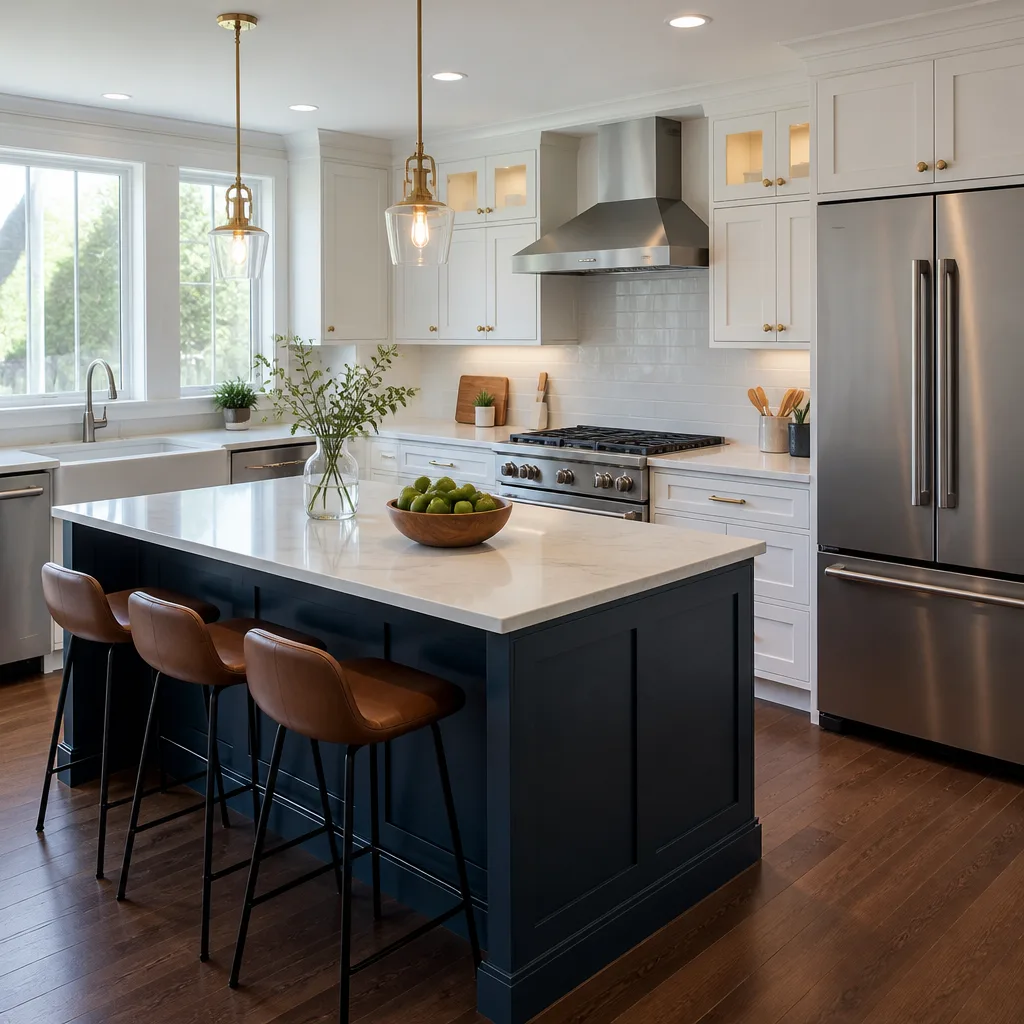 Kitchen remodeling
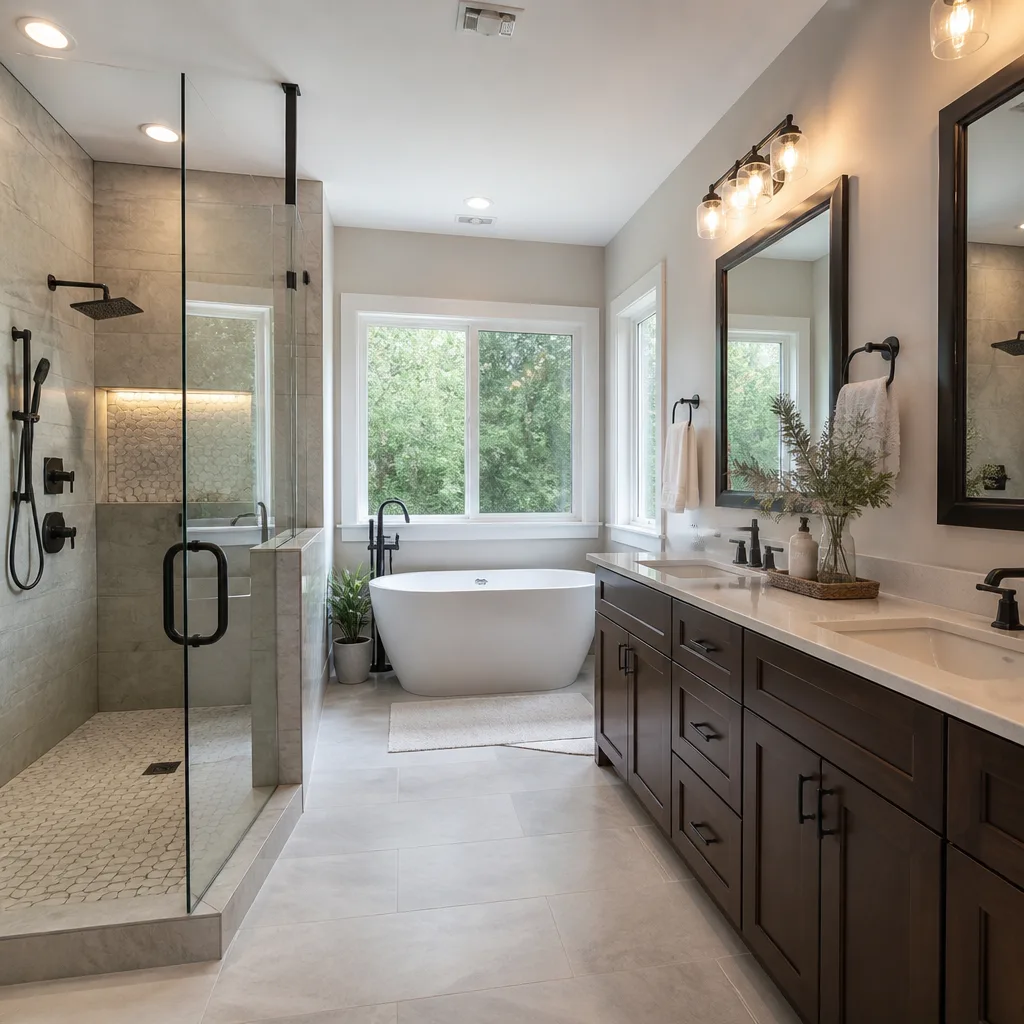 Bathroom remodeling
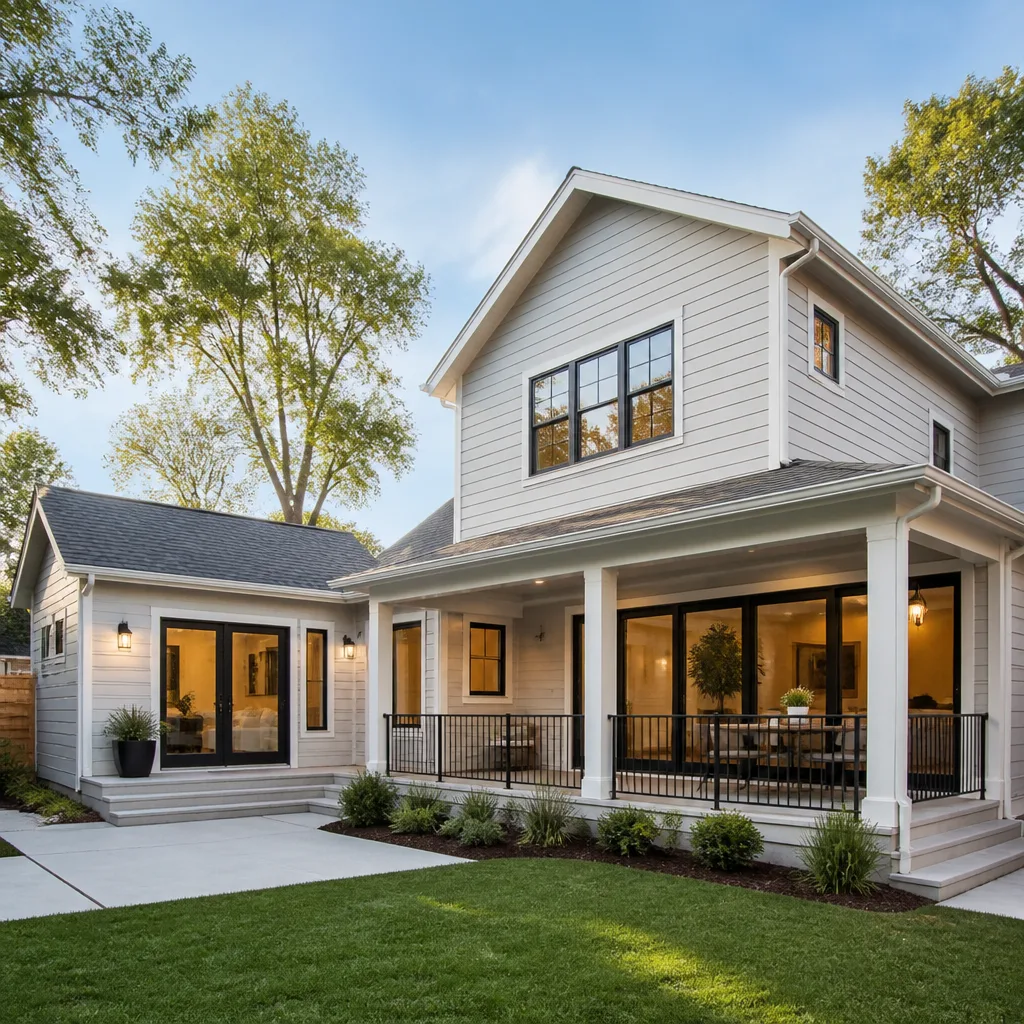 Home additions & ADU
 Roofing
 Windows & doors
 Driveway & pavers
 Fence
Free written scope consultation - allowances, timeline, and change-order rules on paper before a single trade is scheduled
Choosing the Right Construction Brand: A Buyer’s Guide for Saratoga
In Saratoga’s real estate market, a $4,000 savings on private-label windows during a $90,000 remodel can cost triple that amount at resale when a buyer’s inspector flags the product as “unverifiable brand” and the comp analysis discounts the entire renovation. That’s not hypothetical. It happens regularly in this ZIP code, where buyers and their agents scrutinize every material choice against comparable sales on the same street. This guide walks you through the brands that actually hold value in Saratoga, the ones that don’t, and how to verify what’s going into your home before you sign a contract.
Styles & brands we work with
Quick Answer
The right construction brand for a Saratoga home is one with a verifiable manufacturer warranty, a local authorized-installer network, and a product line engineered for Climate Zone 4 conditions: wet winters, intense UV exposure, and WUI-adjacent fire requirements. For most Saratoga projects, that means GAF, Owens Corning, or CertainTeed for roofing; James Hardie for siding; Andersen or Milgard for windows; and Belgard or Calstone for hardscape. Viceroy Construction maintains direct access to 50+ of these nationally recognized brands under one general-contracting agreement, so material selection and installation accountability stay with a single contractor, a model explored further in The Complete Guide to Construction in Saratoga.
Table of Contents
- Roofing Brands That Hold Up in Saratoga’s Rain and Fire Zones
- Window and Door Brands: Performance Versus Price in Climate Zone 4
- Siding Brands and the Moisture Specifications That Make or Break Warranties
- Hardscape and Paver Brands for High-UV, Freeze-Light Conditions
- How to Verify an Authorized Installer Before You Sign
- Warranty Enforcement: What Saratoga Homeowners Get Wrong
- How Brand Choice Affects Saratoga Resale Comps
- Common Mistakes to Avoid
- When to Call a Professional
- Frequently Asked Questions
- The Bottom Line
Roofing Brands That Hold Up in Saratoga’s Rain and Fire Zones
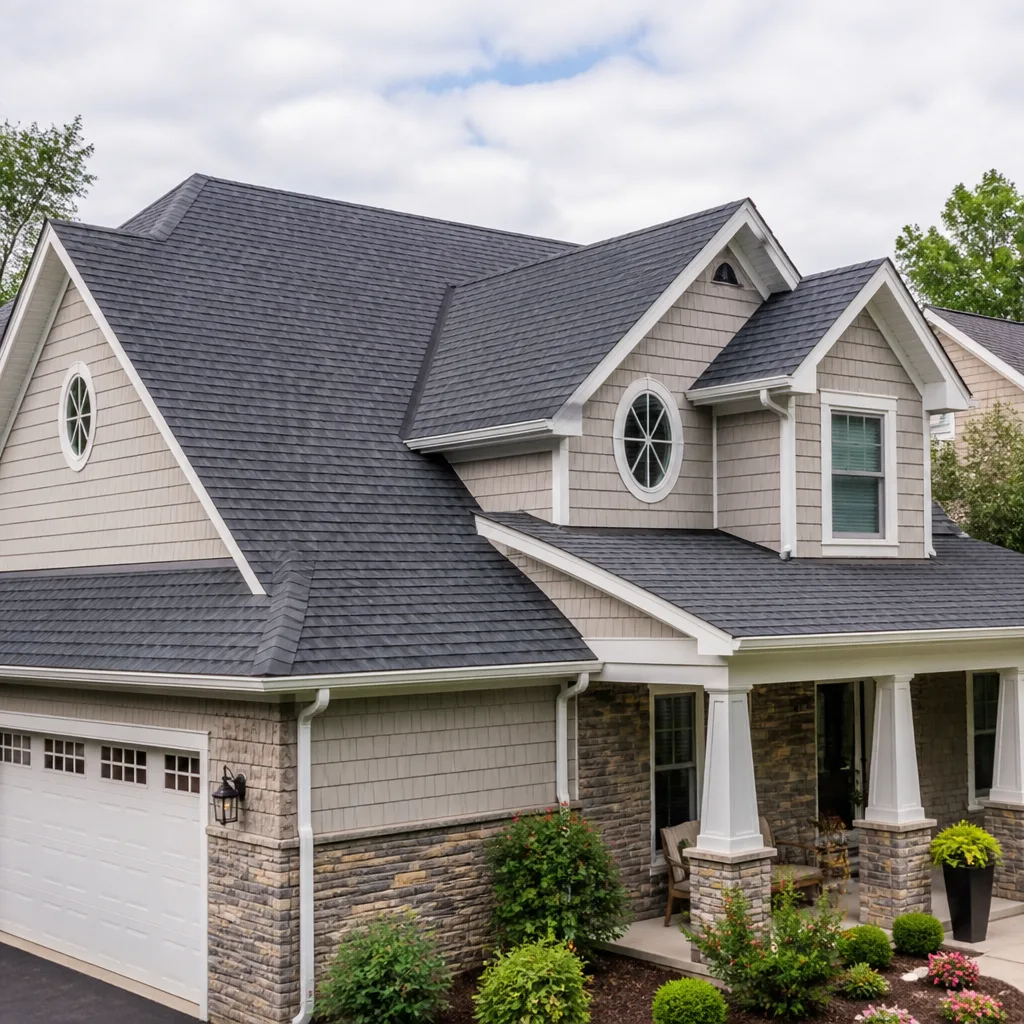
Saratoga sits in a unique microclimate: the eastern slopes of the Santa Cruz Mountains catch fog drip and winter rainfall that can exceed 30 inches annually, while the hillside parcels near Montalvo and the Quarry Park corridor fall within Wildland-Urban Interface (WUI) zones where Class A fire-rated assemblies are not optional. The roofing brand you select has to answer both conditions. GAF, Owens Corning, and CertainTeed are the three manufacturers most Saratoga roofing contractors recommend, and the differences between their flagship shingles matter more here than in drier parts of the Bay Area.
GAF Timberline HDZ carries a Class A fire rating and uses GAF’s LayerLock technology for wind resistance up to 130 mph. In Saratoga’s hillside exposure zones, where winter storm gusts funnel through the foothills, that wind rating is not marketing language, it’s the difference between shingles that stay adhered and shingles that curl after five seasons. Owens Corning Duration earns its place with SureNail fabric, a reinforcement strip that resists nail pull-through during high-wind events. CertainTeed Landmark offers the broadest aesthetic range among the three, which matters in Saratoga neighborhoods where HOAs and design review boards hold sway over exterior material choices.
The warranty structure also differs. GAF offers the Golden Pledge warranty, which covers workmanship for 25 years when installed by a GAF-certified contractor. CertainTeed’s SureStart Plus extends workmanship coverage similarly. Owens Corning’s Preferred Protection requires specific installer certification. In Saratoga, where the average roof replacement carries a five-figure price tag, the workmanship layer of a warranty is the one homeowners actually use when something goes wrong—cost dynamics detailed in our Construction Cost Breakdown: The Saratoga Homeowner’s Reference for 2026. The manufacturer’s material warranty alone rarely covers installation failures.
Our team at Viceroy Construction carries roofing material access across GAF, Owens Corning, CertainTeed, IKO, Atlas, Tamko, and Boral. For a General Contractor in Saratoga overseeing a whole-home renovation, having all three major shingle lines available means the roof specification can match the home’s architectural style without forcing a brand compromise. A Mediterranean-style home above Saratoga Village might look right with CertainTeed Landmark in a weathered wood tone, while a mid-century modern in the Golden Triangle could take GAF Timberline HDZ in charcoal without visual friction.
Window and Door Brands: Performance Versus Price in Climate Zone 4
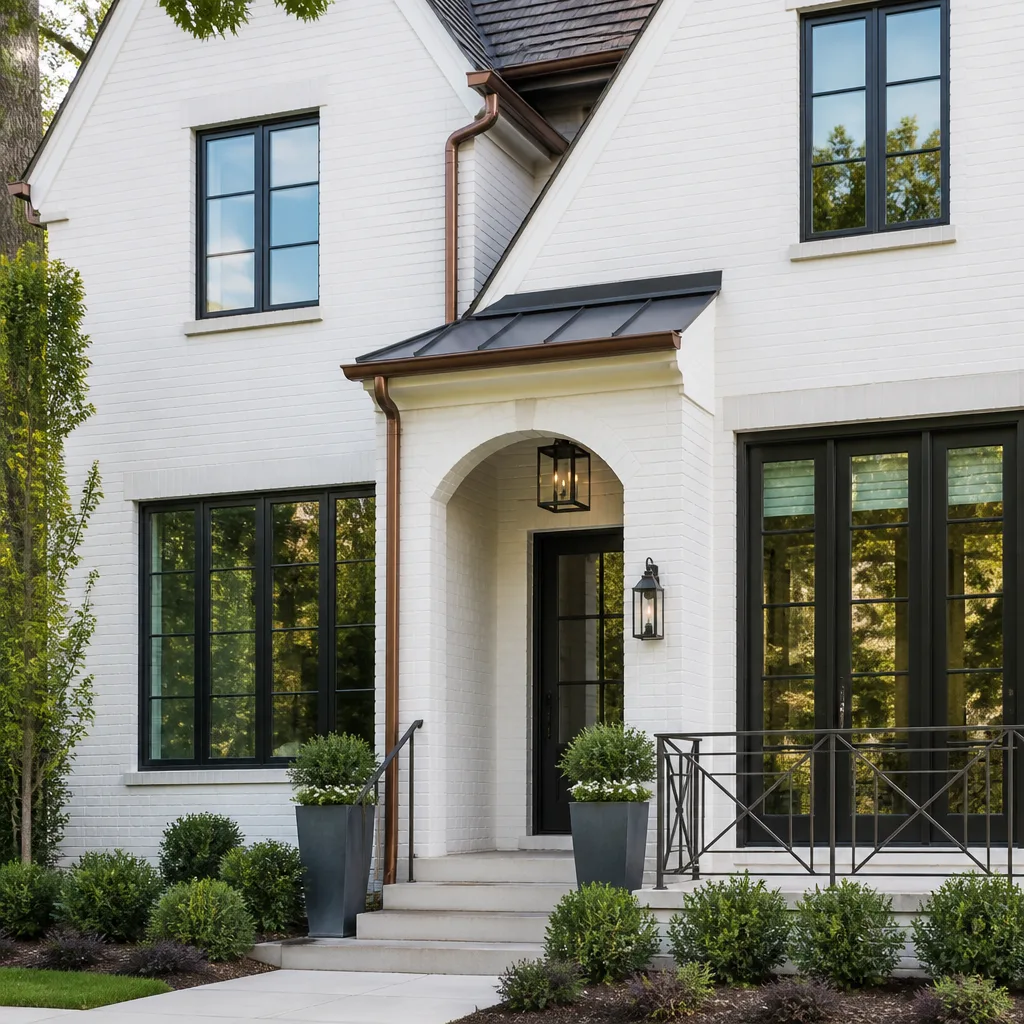
Climate Zone 4 requires windows with a maximum U-factor of 0.30 and, for most Saratoga homes, a solar heat gain coefficient tuned to manage western exposure. Beyond the code numbers, the practical question is service. A window brand with no Bay Area service network turns a failed seal into a twelve-week parts headache. Andersen, Milgard, and Pella all manufacture products that meet Zone 4 requirements, but their service footprints and price positions differ meaningfully.
Milgard, with manufacturing in Sacramento and a distribution network that covers Santa Clara County, offers the strongest service response for Saratoga homeowners. Their Essence Series wood windows and Trinsic Series vinyl windows sit at the value end of the premium spectrum, and Milgard’s full lifetime warranty covers parts and labor, not just materials. Andersen’s 400 Series and E-Series carry higher upfront costs but deliver composite and aluminum-clad wood profiles that hold resale value exceptionally well in Saratoga’s luxury resale market. Pella’s Architect and Lifestyle series occupy the middle ground, though Pella’s dealer network in the South Bay is thinner, which can slow warranty work.
For doors, PGT and CGI produce impact-rated products originally built for hurricane zones, but their multi-point locking and reinforced frames translate well to Saratoga’s hillside properties where wind-driven rain tests exterior door seals. Therma-Tru remains the default for fiberglass entry doors, with a grain texture accurate enough that most homeowners can’t distinguish it from real wood, at roughly 60 percent of the cost of a solid mahogany door.
What matters in a Home Remodeling in Saratoga project is consistency across all openings. A remodel that mixes three window brands creates warranty confusion and complicates any future replacement work. Viceroy Construction carries windows and doors from PGT, CGI, and Therma-Tru, along with the major window lines, so a single renovation can specify product matched to each elevation without fragmenting the warranty picture.
Siding Brands and the Moisture Specifications That Make or Break Warranties
James Hardie dominates the fiber cement siding conversation in Saratoga for a reason: HardiePlank carries a 30-year non-prorated substrate warranty and a 15-year finish warranty when installed to Hardie’s published specifications. The critical phrase is “published specifications.” In Saratoga’s hillside moisture zones, particularly parcels that catch morning fog off the Santa Cruz Mountains, HardiePlank installed with incorrect clearances or missing flashing will fail within a decade regardless of what the warranty promises. The manufacturer’s warranty hinges on installation details: proper joint flashing, minimum clearance above roofs and grade, correct fastener placement, and appropriate moisture barrier behind the product.
LP SmartSide, the oriented strand board alternative, costs roughly 20 percent less installed but uses a different warranty structure and has different failure modes in wet conditions. LP’s treated strand board resists impact better than fiber cement, but edge swell at cut points remains a known issue in sustained moisture exposure, which Saratoga’s winter months deliver in abundance. Both products can perform for decades when installed to specification. The question is whether your contractor has the documentation to prove the installation met those specifications, because that documentation is what the manufacturer requires before honoring a claim.
James Hardie requires installers to complete its certification program before they can offer the Hardie warranty’s enhanced terms. Viceroy Construction works with James Hardie products across siding scopes, and the brand’s specification-first approach matches how we document every phase of exterior work. For a Home Renovation in Saratoga that includes siding replacement, the written record of installation details matters as much as the product itself when year eight brings a moisture question and the manufacturer asks for proof.
Hardscape and Paver Brands for High-UV, Freeze-Light Conditions
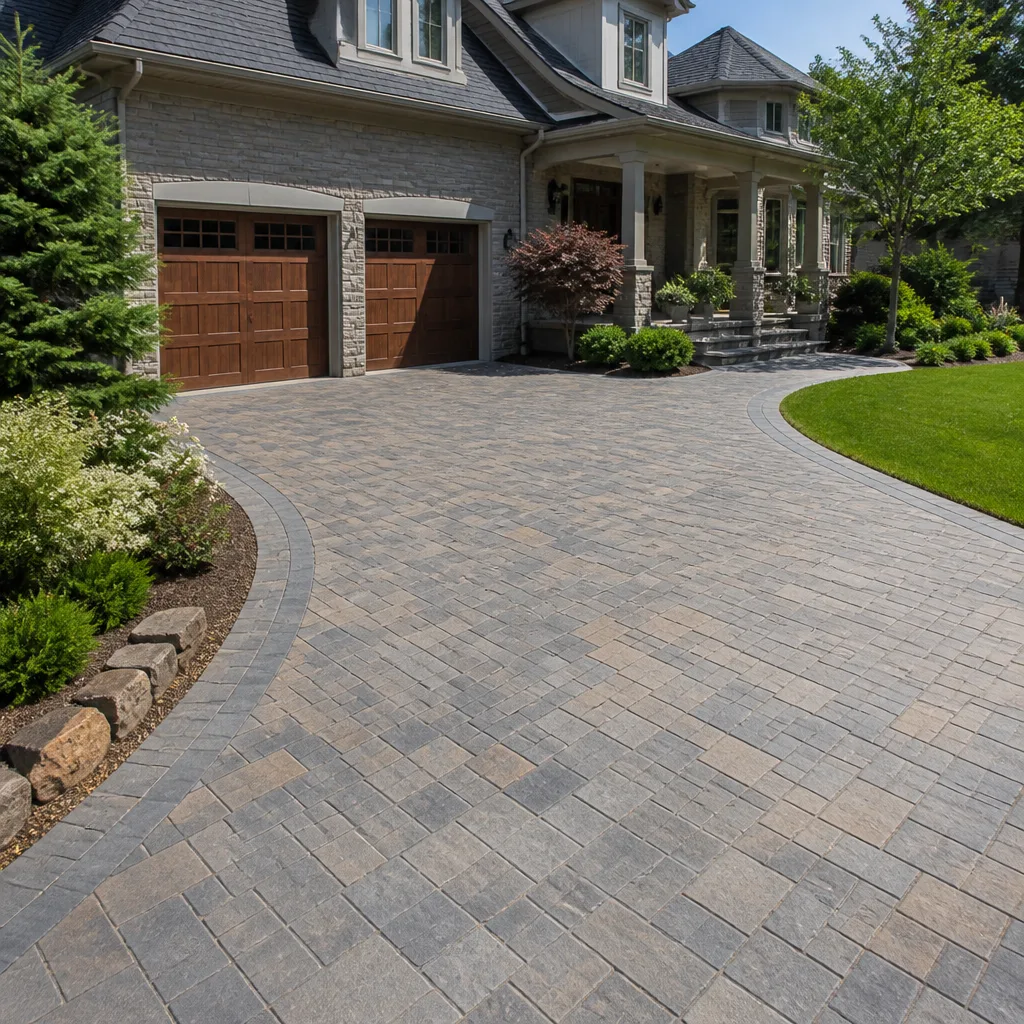
Saratoga’s hardscape challenge is not freeze-thaw cycling, it’s UV degradation and hillside drainage. A paver that looks identical on day one can fade unevenly within three seasons if the color pigments aren’t UV-stabilized for California exposure. Belgard, Calstone, and Angelus all manufacture segmental retaining wall and paver products, but their local availability and product line emphases differ enough to matter on a hardscape-heavy project.
Belgard operates nationwide but maintains Bay Area distribution, which means their Cambridge cobble and Mega-Arbel lines are typically in stock or available within days. Belgard’s color blends lean toward the earth tones that suit Saratoga’s oak and madrone landscape palette. Calstone, a Northern California manufacturer, produces pavers from locally sourced aggregates with color blends tuned specifically for California light. Their Mission and Plaza lines are stocked throughout Santa Clara County, which shortens lead times and simplifies matching if a future addition or repair requires more material. Angelus, a Southern California brand, offers block products widely specified in commercial work, but residential availability in the South Bay is less predictable, which can delay a project by weeks if special ordering is required.
For retaining walls on Saratoga’s sloped lots, engineered segmental systems from Belgard and Calstone handle the lateral loads that hillside terraces generate, provided the base and drainage layers are built correctly. A 20-foot retaining wall on a Quito Road hillside fails from hydrostatic pressure, not from paver quality. The brand matters, but the geogrid reinforcement, drainage aggregate, and compaction behind the wall matter more.
How to Verify an Authorized Installer Before You Sign
Manufacturer warranties are only as good as the installer standing behind them. Before signing any contract for a Saratoga project, verify that your contractor holds current authorization from the brand manufacturers whose products are specified in your scope. This takes about twenty minutes and saves thousands if a warranty claim ever becomes necessary.
- Ask for the certification number. GAF assigns each certified contractor a unique ID. James Hardie maintains a searchable installer database. Andersen lists authorized dealers by ZIP code. If a contractor hesitates to provide a certification number or says it’s “on the website,” that’s a signal to dig further.
- Verify on the manufacturer’s website. All major manufacturers host installer locators. GAF’s is at gaf.com/find-a-contractor. James Hardie’s is at jameshardie.com/find-a-contractor. Check the contractor’s name and service area match what you were told.
- Confirm the certification is current. Some certifications lapse annually. A contractor certified in 2019 but not renewed is not authorized to offer the manufacturer’s enhanced warranty on your 2026 project.
- Get the warranty in writing before work starts. The manufacturer’s warranty is a separate document from the contractor’s workmanship warranty. Ask for a copy of both, and confirm the manufacturer’s warranty names your address and the products specified.
- Check that the products are genuine. Authorized installers buy direct from manufacturer-authorized distributors. Private-label or gray-market products from unauthorized channels void the warranty. Ask for the distributor name on your material order.
Viceroy Construction maintains access to 50+ nationally recognized brands across cabinetry, countertops, plumbing, roofing, windows, doors, fencing, hardscaping, concrete, siding, and ADU/prefab systems. That access is only meaningful if the installer relationship is current and documented, which is a standard part of our project file for every Saratoga job.
Warranty Enforcement: What Saratoga Homeowners Get Wrong
The most common warranty mistake in Saratoga is confusing a manufacturer’s material warranty with a workmanship warranty. They are separate documents with separate terms, separate claim processes, and separate responsible parties. The material warranty covers defects in the product itself: a window seal that fails, a shingle that delaminates, a siding plank that cracks. The workmanship warranty covers installation errors: improper flashing, incorrect fastener placement, missing underlayment. Most homeowners discover the difference too late, when a leak appears and both the manufacturer and the installer point at each other.
The second mistake is failing to register the warranty. Many enhanced manufacturer warranties require registration within 60 or 90 days of installation. Miss the window and the enhanced coverage reverts to a basic prorated warranty. This happens constantly on renovations where the homeowner is occupied with the hundred other decisions a project requires.
The third mistake is not keeping the documentation. To enforce a warranty claim in year eight, you need the original material invoices, the installation photos or documentation, and proof the contractor held the required authorization at the time of installation. Saratoga homeowners who keep a project binder with these documents have a meaningfully easier time navigating claims than those who don’t. Our team handles warranty registration as part of project closeout for every Viceroy Construction home project, which removes the most common failure point in the process.
How Brand Choice Affects Saratoga Resale Comps
Saratoga appraisers and buyer’s agents know the difference between a Cambria quartz countertop and an unlabeled import. That knowledge shows up in the comp analysis. A home with documented James Hardie siding, Andersen windows, and a GAF roof carries a material quality narrative that comps against other upgraded homes in the same neighborhood. A home with private-label windows, a no-name roof, and builder-grade siding does not. The valuation difference is not the cost difference, it’s the documentation difference.
In Saratoga’s resale market, verified brand documentation serves as a proxy for renovation quality. A buyer considering two similar homes on the same street will anchor their offer to the one with a paper trail of Kohler fixtures, Wellborn cabinetry, and CertainTeed shingles, because that paper trail reduces the buyer’s own inspection risk. The seller who kept their project binder with material invoices and warranty registrations recovers renovation cost at resale more reliably than the seller who didn’t.
This effect is strongest at the upper end of Saratoga’s market, where buyers expect documented upgrades and discount undocumented ones. A $4,000 private-label window savings on the front end becomes a $12,000 negotiation concession on the back end, not because the windows are necessarily worse, but because the buyer cannot verify they aren’t. Brand documentation is resale insurance, and in Saratoga’s price point, that insurance is not optional.
Common Mistakes to Avoid
- Selecting private-label products to save on the front end. The savings evaporate at resale when “unverifiable brand” appears in an inspector’s report and the buyer’s agent uses it to justify a below-ask offer. Saratoga comps reward documented brands.
- Assuming all contractor quotes specify the same brands. Two $85,000 remodel quotes may look identical on paper while one specifies KraftMaid cabinetry and the other specifies an import line with no parts network. Line-item brand names are the only way to compare.
- Skipping installer verification for warranty-backed products. A GAF shingle installed by a non-certified contractor carries no workmanship warranty from the manufacturer. The verification takes twenty minutes and may be worth thousands.
- Choosing products without considering Saratoga’s moisture and UV loads. A siding or paver product perfect for Arizona may fail on Saratoga’s fog-damp hillside. Product testing and warranty terms vary by climate application.
- Failing to register manufacturer warranties after installation. The 60-to-90-day registration window passes quickly. More homeowners lose enhanced warranty coverage to missed deadlines than to any other cause.
- Mixing brands across a single scope without a continuity plan. Three window brands across one home create a fractured warranty picture and complicate future service. One brand or one coordinated spec keeps the project legible for the next twenty years.
- Confusing material warranties with workmanship warranties. They are separate documents with separate claims processes. Understand both before the project starts.
When to Call a Professional
Material brand selection on a mid-to-large renovation is not a decision to outsource to a catalog or a showroom visit. When the scope involves roofing replacement, window and door retrofits, siding systems, or hardscape integration with drainage, a general contractor with brand relationships across all those trades can specify products that work together and document the installation to warranty standards, as outlined in The Complete General Contractor Guide for Saratoga Homeowners. The alternative is the homeowner acting as their own project coordinator across four or five specialty subs, each with their own product preferences and no shared accountability.
Viceroy Construction offers free estimates in Saratoga. Call (877) 358-6557 to talk through your project scope and the brands that make sense for your home and your resale timeline.
Frequently Asked Questions
A full roofing replacement in Saratoga typically ranges from $18,000 to $45,000 depending on square footage, pitch, tear-off requirements, and shingle brand. GAF Timberline HDZ and CertainTeed Landmark sit at the mid-to-upper range of that spectrum, with premium aesthetic lines pushing higher. Call (877) 358-6557 for an exact quote, estimates are free.
Price changes after work begins are typically the result of uncovered conditions: rotted sheathing, failed flashing, or framing that was not visible during the bid walk. A contractor who documents the original scope in line-item detail and communicates change orders in writing before performing the work protects both parties. Ask for written line-item pricing and change-order procedures before signing.
Yes. Saratoga requires building permits for roofing replacements, window retrofits, siding changes, and most hardscape work that alters drainage or retaining structures. A general contractor pulling permits protects the homeowner from unpermitted-work disclosure requirements at resale, which are routinely flagged in Saratoga transactions.
James Hardie HardiePlank, installed to the manufacturer’s published specifications, has the strongest warranty-backed performance record in Saratoga’s Climate Zone 4 moisture conditions. The installation details, joint flashing, clearances, and moisture barriers, matter more than the product itself, which is why installer certification and installation documentation carry significant weight.
A whole-home renovation in Saratoga typically takes five to nine months depending on scope, material lead times, and permit review schedules at Saratoga City Hall. Custom cabinetry from KraftMaid or Wellborn and special-order hardscape products can add four to eight weeks to the schedule, so finalizing brand selections early in the design phase keeps the project moving.
ADU construction in Saratoga ranges from $250,000 to $500,000 or more depending on size, site conditions, and whether you choose a prefab system from Abodu, Dvele, or Boxabl or a traditional stick-built structure. Prefab ADUs reduce on-site construction time, but site preparation, foundation work, and utility connections represent costs that apply to both methods. Call (877) 358-6557 for a project-specific estimate.
The Bottom Line
Brand selection in Saratoga is a resale decision as much as an aesthetic one. Verify that every product specified in your scope carries a manufacturer warranty you can actually enforce, backed by an installer whose authorization is current and documented. Choose materials tuned for Saratoga’s specific climate conditions rather than generic “premium” alternatives with no local track record. And hire a contractor who coordinates the entire brand picture under one contract rather than leaving you to manage the warranty filing system yourself. For more guides & resources on navigating Saratoga renovations, see our blog. The documentation you keep today is the negotiation advantage you hold at resale tomorrow.
Written by the team at Viceroy Construction, serving Saratoga since 2017.
See the difference
 Before
 After
 Before
 After
 Before
 After