
Last updated October 30, 2026
 Home additions & ADU
 Kitchen remodeling
 Bathroom remodeling
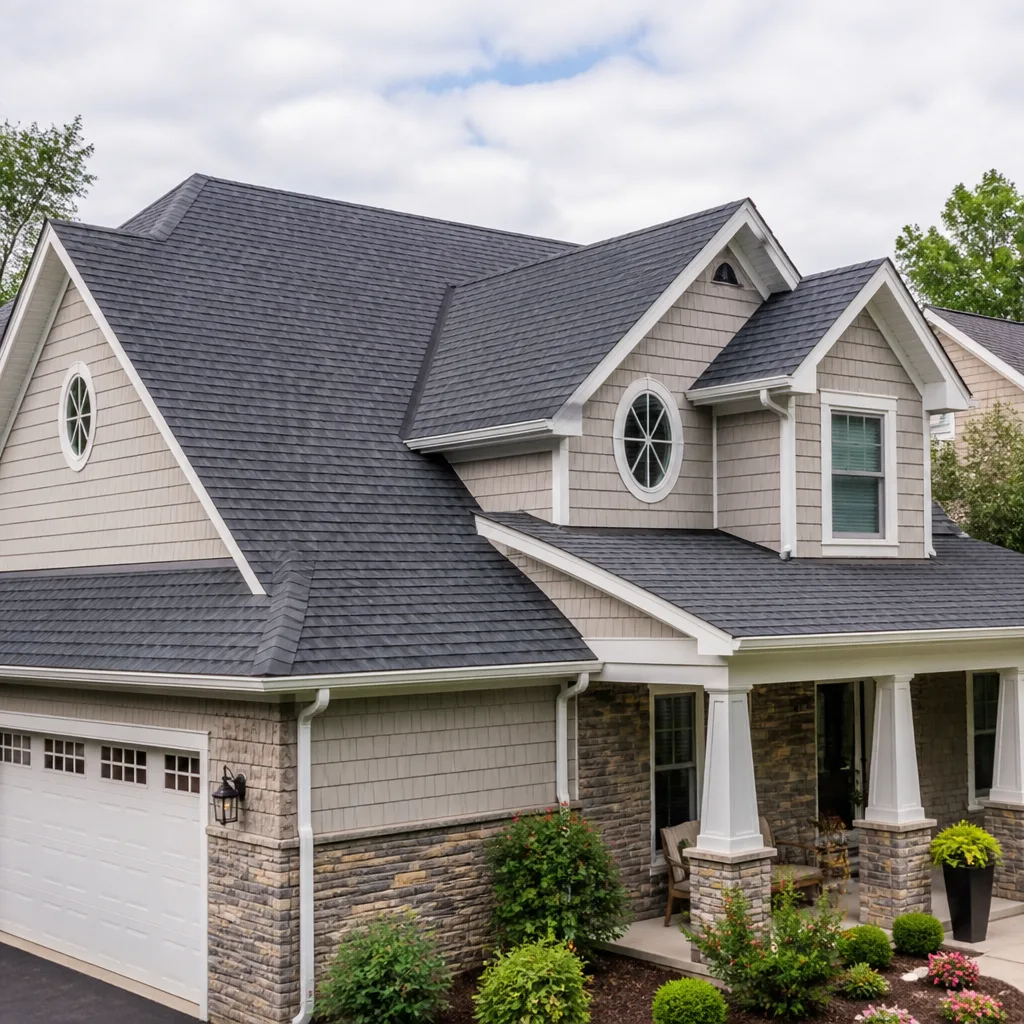 Roofing
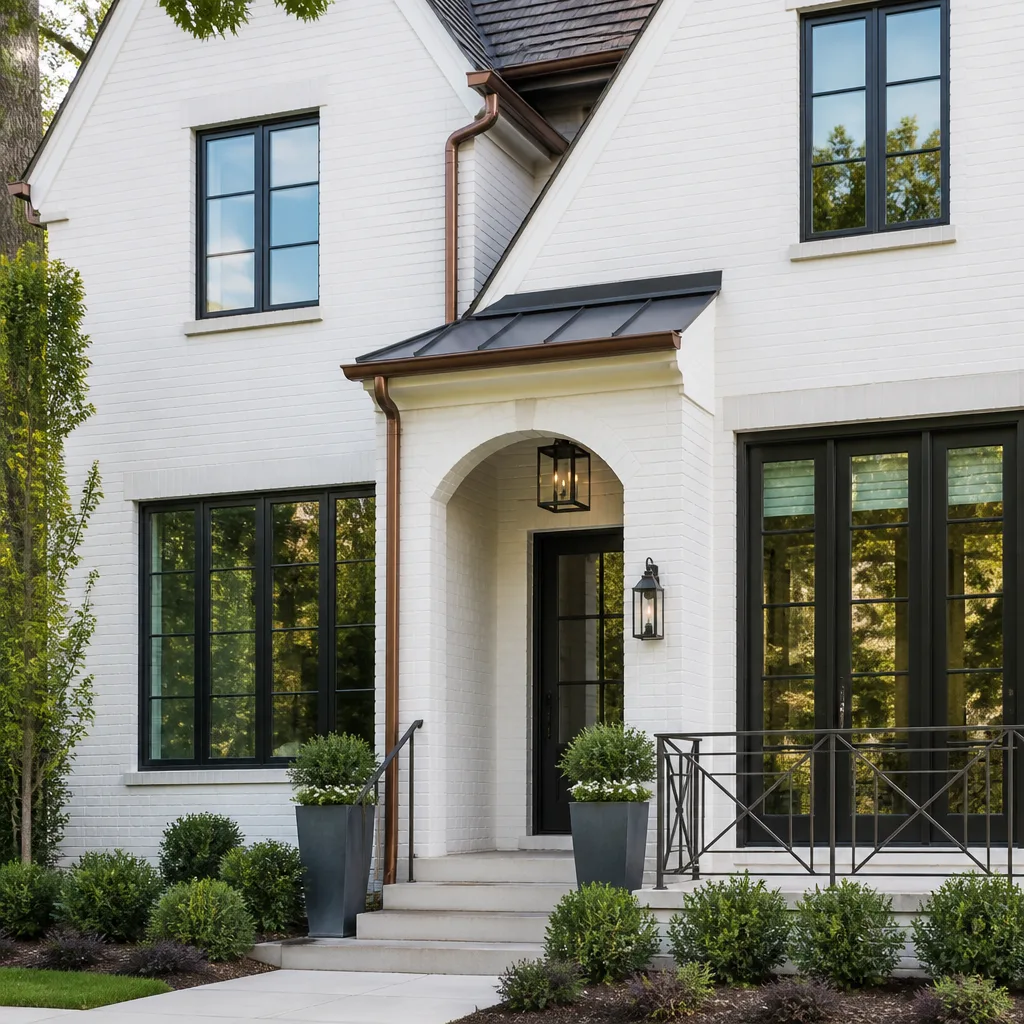 Windows & doors
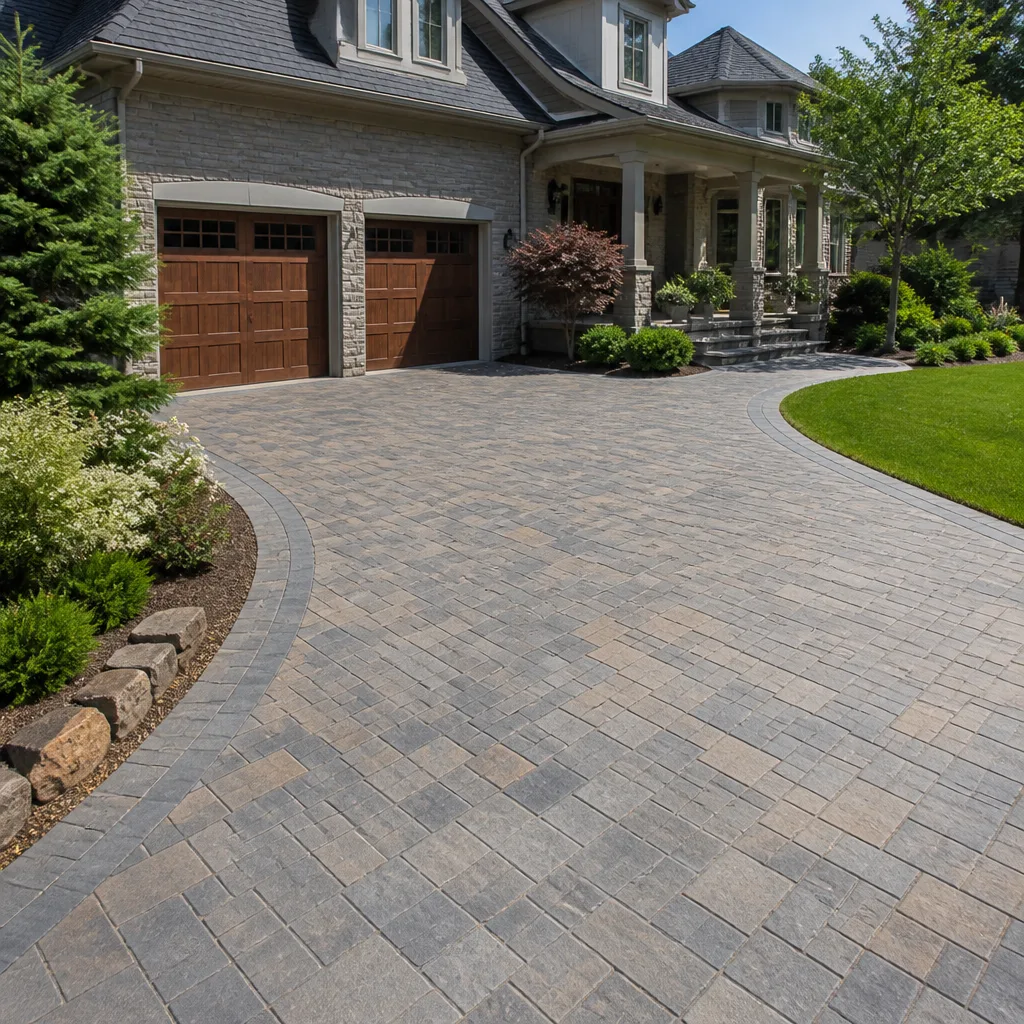 Driveway & pavers
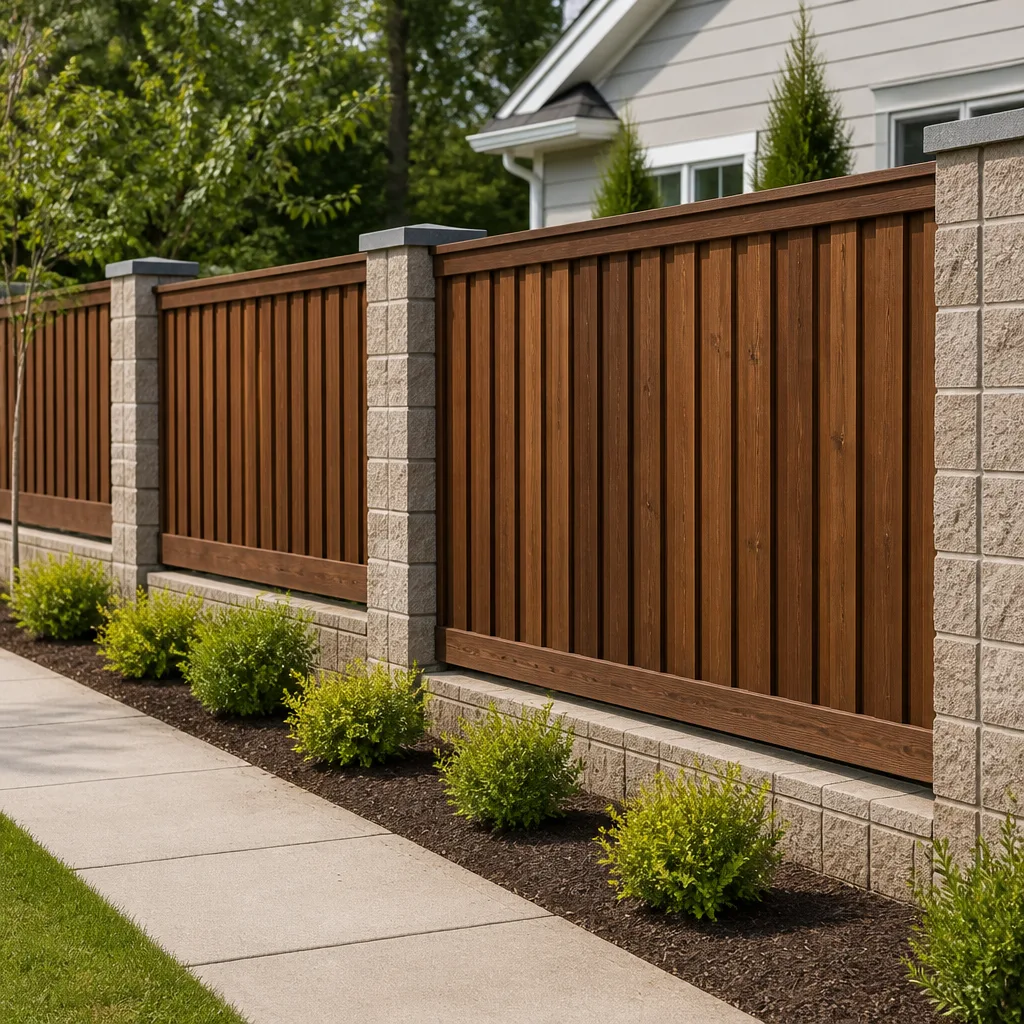 Fence
Free written scope consultation - allowances, timeline, and change-order rules on paper before a single trade is scheduled
DIY vs Professional Construction: The Saratoga Homeowner’s Decision Guide
A Saratoga homeowner who installs their own recessed lighting without a permit isn’t just risking a fine. They’re creating an unpermitted electrical condition that a home inspector will flag during sale, potentially requiring destructive investigation, opening walls to expose wiring, and re-inspection at the worst possible moment in a transaction when the buyer holds all the leverage. This guide draws the line between the projects where rolling up your sleeves makes financial sense in Saratoga and the ones where amateur work costs more than it saves, sometimes years after the paint dries. For how to hire a construction contractor in Saratoga: a step-by-step guide, see our dedicated resource.
Styles & brands we work with
Quick Answer
Most Saratoga homeowners should DIY only cosmetic, non-permitted, non-structural tasks: painting, landscaping, cabinet hardware, and simple tile repair in dry areas. Any work involving electrical rough-in, plumbing supply or drain lines, structural changes, roofing over living space, or homes built before 1978 should go to a licensed contractor, because Saratoga’s permit requirements and California’s owner-builder disclosure laws make amateur work on these systems a resale and insurance liability that routinely outweighs the initial savings. Our General Contractor Maintenance Checklist for Saratoga Homeowners covers which systems need professional attention.
Table of Contents
- The California Permit Trigger Matrix: Where DIY Legally Ends
- The Owner-Builder Trap: California Disclosure Law and Resale Risk
- Where DIY in Saratoga Is Defensible (And Where It Stops)
- Where Professional Execution Is Non-Negotiable for Saratoga Homes
- The Real Math: DIY Savings vs. Material Markup, Warranty, and Time
- Using a GC as a Consultant While Self-Performing Select Work
- Common Mistakes to Avoid
- When to Call a Professional
- Frequently Asked Questions
- The Bottom Line
The California Permit Trigger Matrix: Where DIY Legally Ends
California Building Code doesn’t distinguish between a homeowner and a contractor when it comes to whether a permit is required. It distinguishes between work types. The trigger is the scope of the work, not who performs it. In Saratoga, which operates under Santa Clara County enforcement with its own local amendments, the permit triggers are stricter than much of the state, particularly around hillside construction, tree protection, and drainage.
Here’s the practical matrix for Saratoga homeowners:
- No permit, no contractor required: Painting, wallpaper, flooring replacement, cabinet refacing without moving plumbing or electrical, trim work, fence repair under six feet with same footprint, landscape planting, paver patios under 200 square feet if not attached to a structure, and replacing fixtures like faucets or light fixtures without rewiring.
- Permit required, but homeowner can self-perform: Non-structural interior finishes over existing permitted walls, deck resurfacing on an existing frame, single-fixture plumbing swaps when no supply or drain line moves, and light electrical device replacement like swapping outlets without adding circuits.
- Permit required, owner-builder path allowed but risky: Kitchen or bath renovations that move plumbing or electrical, window replacement that changes opening sizes, full re-roofs, and water heater replacements. Homeowners can legally self-perform these as owner-builders if they pass a permit exam and sign the owner-builder declaration, but that declaration carries resale consequences.
- Contractor required for all practical purposes: Structural changes to load-bearing walls, foundation work, seismic retrofit, any electrical panel upgrade, gas line work, fire sprinkler modifications, and any work within a designated flood hazard overlay in Saratoga where elevation certificates and drainage reports become part of the permit record.
What most homeowners miss: Saratoga’s hillside zones add geotechnical review requirements that no homeowner can self-certify. If your property is on a slope over 15 percent, even a deck addition or a retaining wall over 4 feet requires a soils engineer’s stamp. That alone pushes many Saratoga projects into professional territory before you ever pick up a tool.
The Owner-Builder Trap: California Disclosure Law and Resale Risk
California Civil Code section 1102 requires sellers to disclose all improvements and repairs made during their ownership, including whether permits were pulled and whether work was performed by a licensed contractor or as an owner-builder. Saratoga buyers, backed by aggressive buyer’s agents and inspection contingencies, scrutinize this disclosure more than most markets in the Bay Area.
Here’s what happens when you self-perform permitted work as an owner-builder and then sell:
- You sign the owner-builder declaration, which states you are personally responsible for the work and will not sell the home for one year in most cases under Business and Professions Code 7044, unless you meet narrow exceptions.
- That declaration becomes part of the permit record. Any future buyer or their agent can pull it and see that you, not a licensed contractor, performed structural or systems work.
- At sale, you must disclose it again. Buyers routinely ask whether any work was owner-built. A yes answer triggers additional inspection scrutiny and often an inspection contingency that lets them walk or demand concessions.
- Insurance can get complicated. If an owner-builder electrical repair is later implicated in a claim, the carrier may investigate whether the work met code at the time. Without a contractor’s warranty to point to, the homeowner carries that exposure alone.
In our experience, we’ve seen Saratoga listings where an owner-built bathroom addition from a previous owner resulted in a $25,000 to $40,000 price concession at closing to cover bringing the work under current permit compliance. The homeowner who saved maybe $8,000 by self-performing paid that several times over in a single negotiation. Saratoga real estate moves on condition and disclosure. Unpermitted or owner-built work is the first place buyers attack.
Where DIY in Saratoga Is Defensible (And Where It Stops)
Some projects genuinely don’t justify a contractor’s labor costs, and doing them yourself frees up budget for the work that does. The key is staying inside defensible scope limits.
Painting, inside and out. Surface preparation matters more than application, and Saratoga’s wet winters mean exterior paint fails early if siding isn’t dry and primed correctly. Stick to single-story or safely accessible areas. A quality paint job on a two-story stucco home with raised eaves is a different animal, and ladder falls are the most common homeowner injury in residential work.
Landscaping and hardscape prep. Planting, mulching, irrigation timer programming, and even setting a small paver patio using Techo-Bloc or Cambridge Pavers products is achievable for a motivated homeowner. The line: any retaining wall over 4 feet, any deck attached to the house, and any paved surface that alters drainage flow. Saratoga’s stormwater ordinance makes drainage modifications permit-triggered work.
Cabinet hardware and fixture swaps. Pulls, knobs, faucets, and light fixture replacements that don’t require rewiring are straightforward. The moment you’re moving a junction box, adding a circuit, or opening a wall to move plumbing, you’ve crossed into permit territory and should stop.
Tile repair in non-wet areas. Replacing a cracked floor tile in an entryway or a backsplash tile in a dry kitchen wall is manageable. The moment tile is in a shower pan, tub surround, or any wet area, you’re dealing with waterproofing systems, slope requirements, and the likelihood that failed grout or a shifted pan means structural water damage underneath. Saratoga homes with original bathrooms are particularly prone to this, because 1970s and 1980s construction often lacked modern waterproofing membranes.
The honest scope question we ask homeowners: if this fails, what does it damage? A bad paint job is cosmetic. A failed shower waterproofing job rots framing, grows mold, and becomes a five-figure repair hidden behind tile that looked fine for two years.
Where Professional Execution Is Non-Negotiable for Saratoga Homes
Certain work on Saratoga homes requires professional execution not because homeowners lack skill, but because the cost of failure, the permit complexity, or the health and safety exposure makes DIY economically irrational. Our General Contractor Troubleshooting: Common Problems and How to Fix Them explains what can go wrong when these projects aren’t handled properly.
Any structural work. Load-bearing wall removal, header installation, foundation repair, seismic retrofitting, and any change to the structural envelope of the home. Saratoga sits on varied geology, from alluvial soil in the flatlands to hillside creep zones in the western neighborhoods. Structural engineering is not a place for learning by doing. A header sized incorrectly fails slowly, showing up as cracking drywall and sticking doors years after the project is finished and the permit is closed, if a permit was ever pulled.
Pre-1978 homes and lead/asbestos protocol. A significant share of Saratoga’s housing stock predates 1978, when lead paint was banned. Renovating older homes triggers EPA Renovation, Repair, and Painting (RRP) rules that require certified lead-safe work practices for any disturbance of more than six square feet of painted surface per room on the interior, or 20 square feet on the exterior. Homeowners can legally self-perform on their own residence, but Saratoga’s older homes often combine lead paint with asbestos-containing materials in flooring, popcorn ceilings, and duct insulation. Professional contractors carry the testing burden and the containment liability. A DIY homeowner who grinds through asbestos tile without testing creates an environmental hazard in the home and legal exposure for improper disposal, which California regulates tightly.
Roofing on tile systems. Saratoga has a substantial inventory of homes with concrete and clay tile roofs, particularly in the eastern hills where Mediterranean and Spanish Revival styles dominate. Walking a tile roof to repair or replace sections without knowing the underlayment system and tile fastening patterns is how a $600 repair becomes a $22,000 full re-roof. Tile roofs in Saratoga’s rainy winter climate fail from the underlayment up, and a homeowner who patches obvious broken tiles without addressing underlayment issues is putting a bandage over rot.
Work within the Saratoga floodplain overlay zone. Portions of Saratoga along Saratoga Creek and its tributaries fall within FEMA flood hazard zones. Any substantial improvement, addition, or structural renovation in these zones requires elevation certificates, floodplain development permits, and potentially raising mechanical systems above base flood elevation. This is specialized work that requires someone who understands floodplain administration as well as construction. The permitting alone can take months if done incorrectly the first time.
When you’re looking at work in these categories, the General Contractor in Saratoga role exists specifically because these projects span multiple trades, multiple permits, and multiple inspection cycles. It’s not about who can swing a hammer. It’s about who carries the permit liability and knows how to sequence the inspections.
The Real Math: DIY Savings vs. Material Markup, Warranty, and Time
The DIY pitch usually sounds like this: a contractor quoted $45,000 for a kitchen remodel, materials cost $22,000 at Home Depot, so you save $23,000 by doing it yourself. That math works only if you ignore material markup reality, warranty, time, and the cost of fixing mistakes.
Material markup isn’t the scam it’s painted as. Contractors buy through supply houses at tiered pricing that depends on volume. A homeowner buying a pallet of Oldcastle retaining wall block or Quikrete bags at retail pays list price. A contractor with an account at a masonry supply yard or lumber yard often pays 15 to 25 percent less, which partially offsets the markup you see in the quote. On branded materials like Kohler fixtures or James Hardie siding, specialty suppliers give contractors access to product lines, finishes, and lead times that retail stores don’t stock. The homeowner doesn’t just pay contractor markup, they pay retail markup too.
Warranty coverage requires licensed installation. This is the hidden cost most DIY calculations miss entirely. Cambria quartz carries a lifetime warranty, but it only applies when fabrication and installation are performed by a Cambria-certified fabricator and installer. GAF roofing warranties on their higher-end systems, like the Golden Pledge, require installation by a GAF-certified roofer. James Hardie siding warranties require installation per manufacturer specs by qualified contractors. When a material fails and the manufacturer discovers homeowner installation, the claim is denied. You haven’t saved the cost of professional installation; you’ve voided the warranty and bought the risk of material failure yourself.
The time math for a Saratoga professional. Saratoga’s median household income is well over $200,000. A homeowner earning that in a salaried or professional role bills their time at $100 per hour or more in economic terms. A kitchen remodel that takes a contractor three weeks takes a part-time DIY homeowner four to six months of weekends and evenings. That’s 300 to 400 hours of personal time. At $100 per hour, the time cost alone is $30,000 to $40,000, before any material or permit costs. And the contractor’s three weeks means you have a kitchen. The DIY six months means you’re cooking on a hot plate while holding down a demanding job.
The mistake contingency. Professional contractors carry insurance for errors and omissions. They fix their mistakes. A homeowner who mis-cuts a sheet of plywood or pours a bad concrete countertop edge absorbs that cost directly. Rare is the first-time DIY kitchen remodel that doesn’t require at least one purchased-again material, one re-done step, or one call to a professional to fix something mid-project. Add 10 to 15 percent to your DIY estimate for the mistakes you haven’t made yet.
Using a GC as a Consultant While Self-Performing Select Work
There’s a third path between full DIY and full hand-off, and for capable Saratoga homeowners with limited weekends, it’s often the smartest use of budget. You self-perform the work you can do well, and you hire a general contractor for the work that carries liability, permits, or inspection risk. What most homeowners don’t know is that many GCs will structure this hybrid arrangement.
Here’s how to do it without creating permit or quality problems:
- Define the permit boundary first. Before any work starts, sit down with the contractor and map exactly which tasks will be under the permit and which are outside it. If the contractor pulls the permit for a kitchen remodel, they own the inspection path for electrical, plumbing, and structural work. You can paint, install cabinet hardware, or do tile backsplash after final inspection without muddying the permit record.
- Hand off the systems work, keep the finishes. The highest-value hand-off is anything with water, electricity, gas, structure, or drainage. Running a PEX supply line wrong causes a hidden leak. Hanging drywall less than perfectly causes visible seams, but it’s a finish issue with low failure consequence. Have the contractor rough in plumbing and electrical, close the walls, and pass inspections. You handle painting, trim, and cosmetic finishes.
- Be honest about your own capacity. The contractor sequences the job around inspection timelines. If you agree to paint the exterior between stucco cure and final inspection, and you don’t finish because work got busy, the schedule slips. Tell the GC upfront how many hours per week you can actually commit. A realistic 10 hours per week on finishes is very different from an optimistic 30.
- Keep the contract clean. Get written scope boundaries. What work are you doing? What work is the contractor doing? What happens if you start your scope and realize you’re in over your head? Most contractors will take back a task mid-project, but the change order will cost more than if they’d had it from day one. Clarity at the start prevents the argument at the middle.
- Never self-perform inside the permit scope. This is the rule that protects everything else. Once a permit is open with a contractor of record, any work you do within that permit’s scope creates liability for both of you. The inspector doesn’t know who ran that outlet, and the contractor signed the permit. Don’t put a contractor in that position.
What makes this model work with a full-scope GC like Home Remodeling in Saratoga is that the same company handling your kitchen can also quote your exterior, your roof, and your hardscape. You’re not coordinating a hybrid arrangement across four different contractors. One contract for the pro scope, one agreed list for your scope, one point of contact when things shift.
Common Mistakes to Avoid
- Not pulling a permit because a neighbor didn’t. Saratoga code enforcement is complaint-driven, but the real exposure is at resale and insurance claim time, not the city driving around looking for violations. That neighbor’s unpermitted deck may be a ticking disclosure liability they haven’t faced yet. Don’t copy someone else’s future problem.
- Upgrading the electrical panel as a DIY project. Panel replacement in Santa Clara County requires service disconnect work, PG&E coordination, and arc-fault breaker requirements that changed significantly in recent code cycles. Getting this wrong isn’t a code violation, it’s a fire risk. This is a licensed electrician task, full stop.
- Demo work without testing for asbestos first. Saratoga homes built before 1980 often have asbestos in vinyl flooring, mastic, popcorn ceilings, and wrap insulation. Homeowners who start tearing out a 1960s bathroom without testing create airborne exposure and then face the cleanup bill. Test before you demo, every time, on older Saratoga homes.
- Replacing windows without understanding the waterproofing layer. A window that looks easy from inside involves flashing, weather-resistant barrier continuity, and drainage paths that are invisible once the trim is on. DIY window swaps are among the most common sources of hidden water damage in Saratoga homes, where winter rain finds every gap within a season.
- Building a deck or patio over a drainage path. Saratoga’s stormwater rules protect downhill properties from runoff changes. A homeowner who paves or decks over a swale without understanding how water moved before the project has created a liability to neighbors and a potential city citation. Drainage is a site engineering question, not a weekend project question.
- Assuming YouTube videos match your specific house. Video tutorials show ideal conditions: clean lumber, open walls, current code wiring, no surprise rot. Saratoga homes, particularly hillside builds and 1960s ranches, reward you with undersized framing, ungrounded circuits, and plaster over lathe that fights demolition. The video wasn’t filmed in your house.
- Skipping the owner-builder exam before starting permitted work. If you do go the owner-builder route in California, there’s a written exam for owner-builders on basic construction law. Homeowners who skip it and start work are already violating the permit conditions they signed. Take the exam before you swing the hammer, not after the inspector asks to see the paperwork.
When to Call a Professional
Call a professional when the work involves any structural element, any electrical work beyond device swaps, any plumbing beyond fixture replacement, roofing over conditioned space, any work on pre-1978 homes that disturbs painted surfaces or possible asbestos, any work in Saratoga’s flood overlay, or any project where the permit sequence is unfamiliar. Also call a professional when you’ve started a DIY project and discovered conditions you didn’t expect: rot behind the shower wall, a cracked foundation stem wall, knob-and-tube wiring, or drainage that moves toward the house instead of away. The professional call costs less than the professional fix after the amateur mistake. Viceroy Construction offers free estimates in Saratoga, call (877) 358-6557 to talk through your project scope before you decide.
Frequently Asked Questions
Permit fees in Saratoga run based on project valuation, with most residential remodel permits falling between $500 and $3,000 in city fees. The larger cost is the time: plan review cycles, corrections, and inspections add weeks to months. A contractor who works in Saratoga regularly knows which details trigger corrections and plans for them. Call (877) 358-6557 for a realistic timeline on your specific scope.
Yes, California allows owner-builder permits for work on your own primary residence, provided you pass the owner-builder exam and sign a declaration accepting responsibility for the work and the requirement to occupy the home for at least one year after completion in most cases. The declaration creates resale disclosure obligations you carry forward. If you sell within that window, you may need to disclose and potentially absorb responsibility for the work’s condition.
In Saratoga’s market, kitchen and primary bath remodels, energy efficiency upgrades, and ADU additions consistently deliver the strongest return. Saratoga’s lot sizes and zoning make ADUs particularly valuable, and systems like Abodu and Dvele have accelerated what’s buildable. The value is realized only when the work is permitted and professionally documented. Unpermitted additions actually subtract value because buyers price in the retrofit cost.
The cash outlay is usually lower for DIY, but the total cost including time, mistakes, and lost warranty coverage is often higher for a full kitchen remodel. Material savings get eaten by retail pricing, no trade discounts, and warranty voiding on major materials like Cambria quartz or Kohler fixtures. For a partial scope, like cabinet refacing and painting, the math favors DIY. For a full tearout with electrical and plumbing changes, the math leans contractor.
A full kitchen remodel in Saratoga, including permits, plumbing and electrical rough-in, cabinet installation, countertop templating, and final inspections, typically runs 8 to 14 weeks from permit issuance to certificate of occupancy. Saratoga’s inspection scheduling and the lead times on custom cabinetry and engineered stone are the most common schedule drivers. Cabinets from KraftMaid or Wellborn often carry 6 to 10 week lead times before installation even begins.
Yes, re-roofing requires a permit in Saratoga, including tear-off and replacement. If you’re changing the roofing material, like going from shake to composite shingle, additional weight calculations and possibly structural review apply. Tile roof systems add walkability and underlayment considerations that make professional installation the practical necessity. The permit is straightforward for contractors who do it regularly and a multi-week headache for first-timers.
The Bottom Line
The DIY vs. professional decision in Saratoga isn’t a skill contest. It’s a liability calculation with a longer time horizon than most homeowners run. The work you can see, painting and finishes and hardware, is where you save. The work you can’t see once walls are closed, wiring and waterproofing and flashing and drainage, is where you pay double later. Saratoga’s permit requirements, disclosure laws, and resale scrutiny mean amateur work doesn’t just stay in the house, it follows the house. Use your weekends on the finishes. Let a professional own the systems. For a full evaluation of what to self-perform and what to hand off, call (877) 358-6557.
Written by the team at Viceroy Construction, serving Saratoga since 2017. Explore more guides & resources on home construction and remodeling.
See the difference
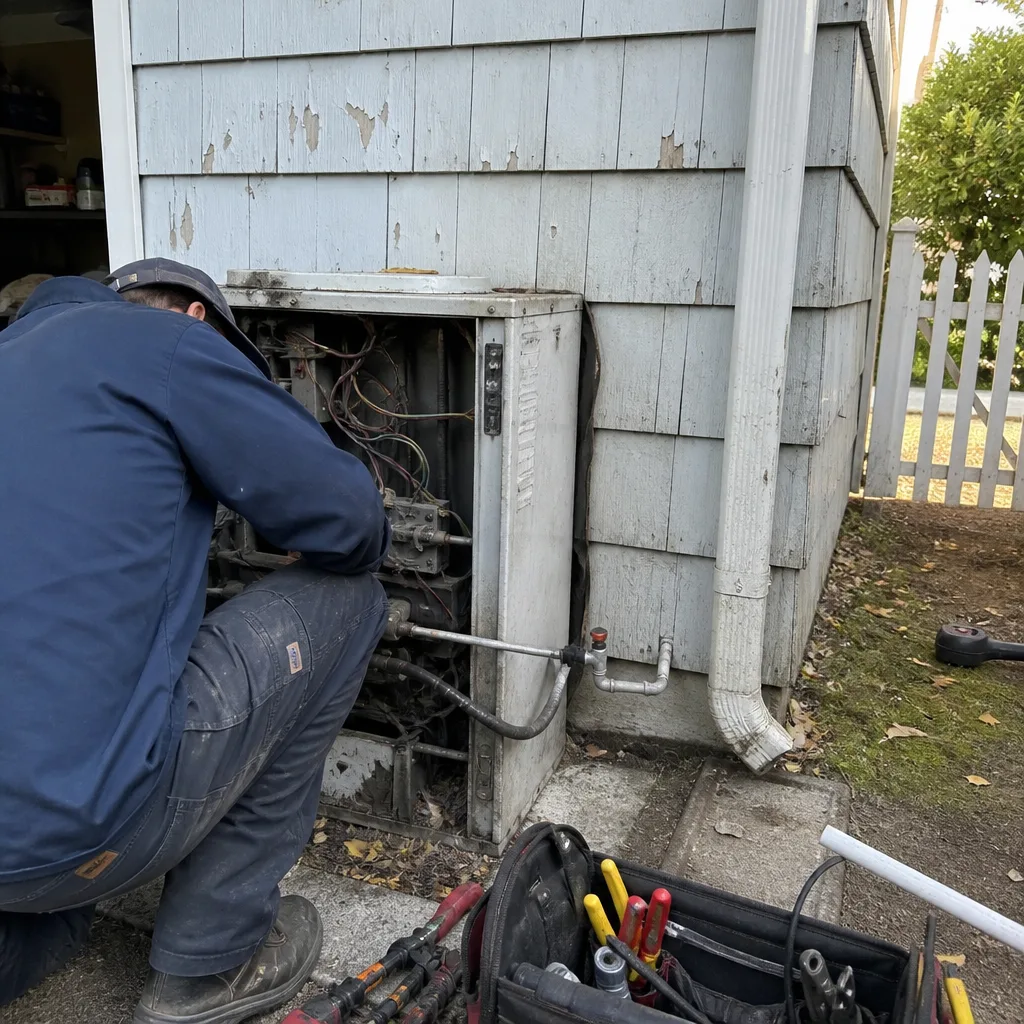 Before
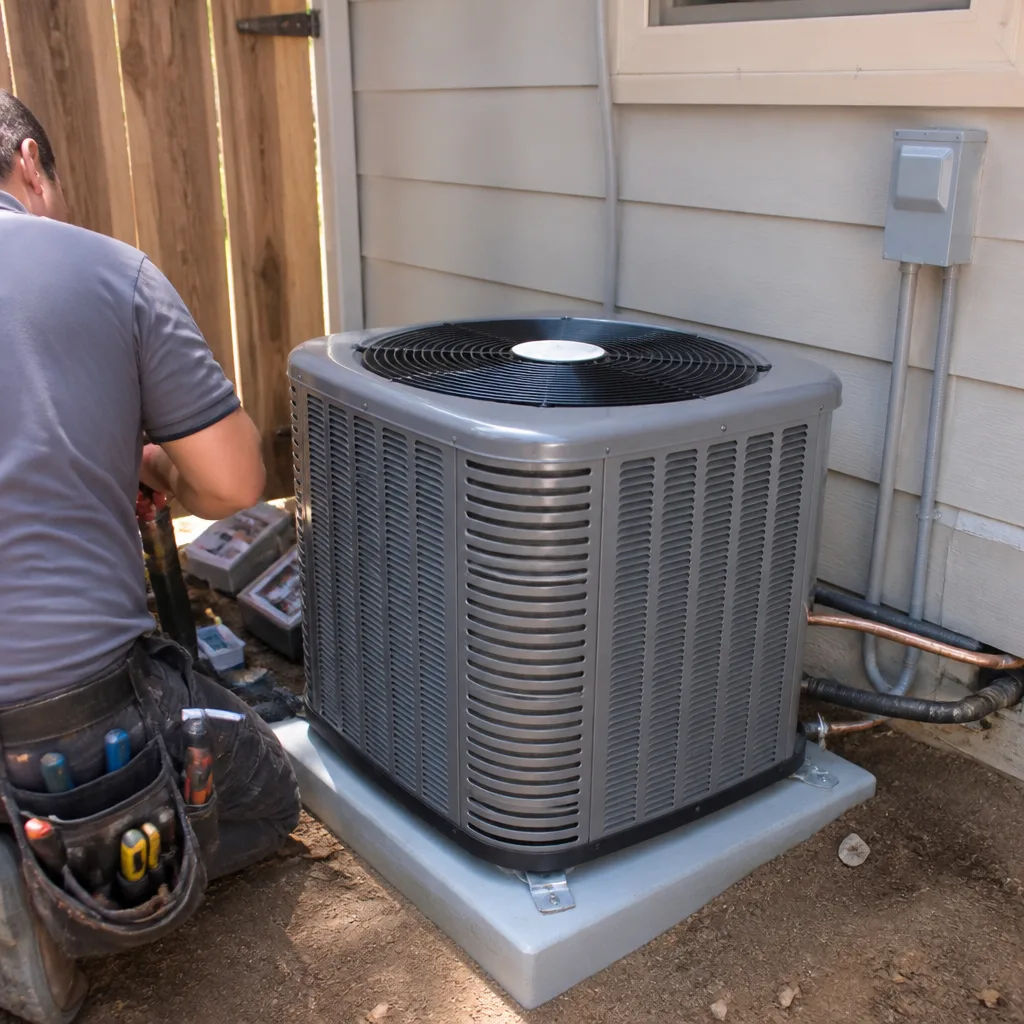 After
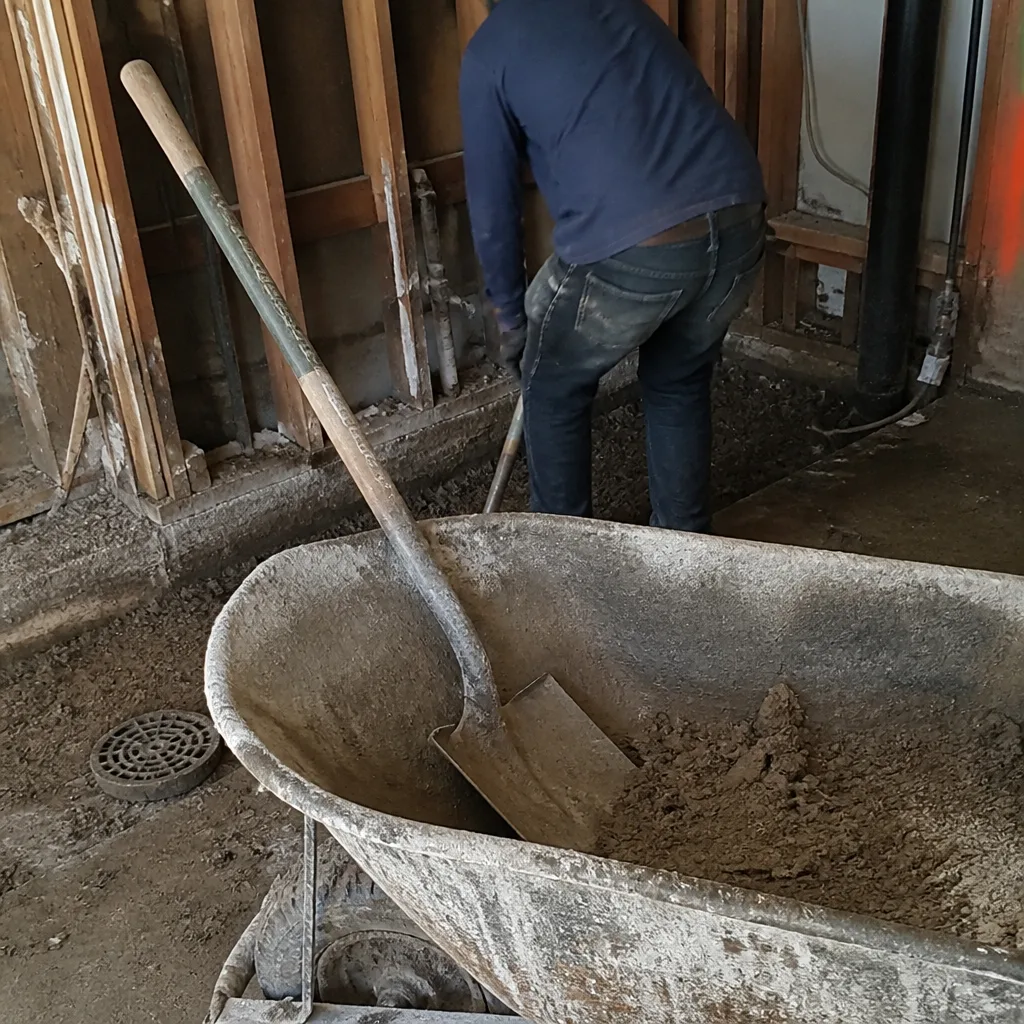 Before
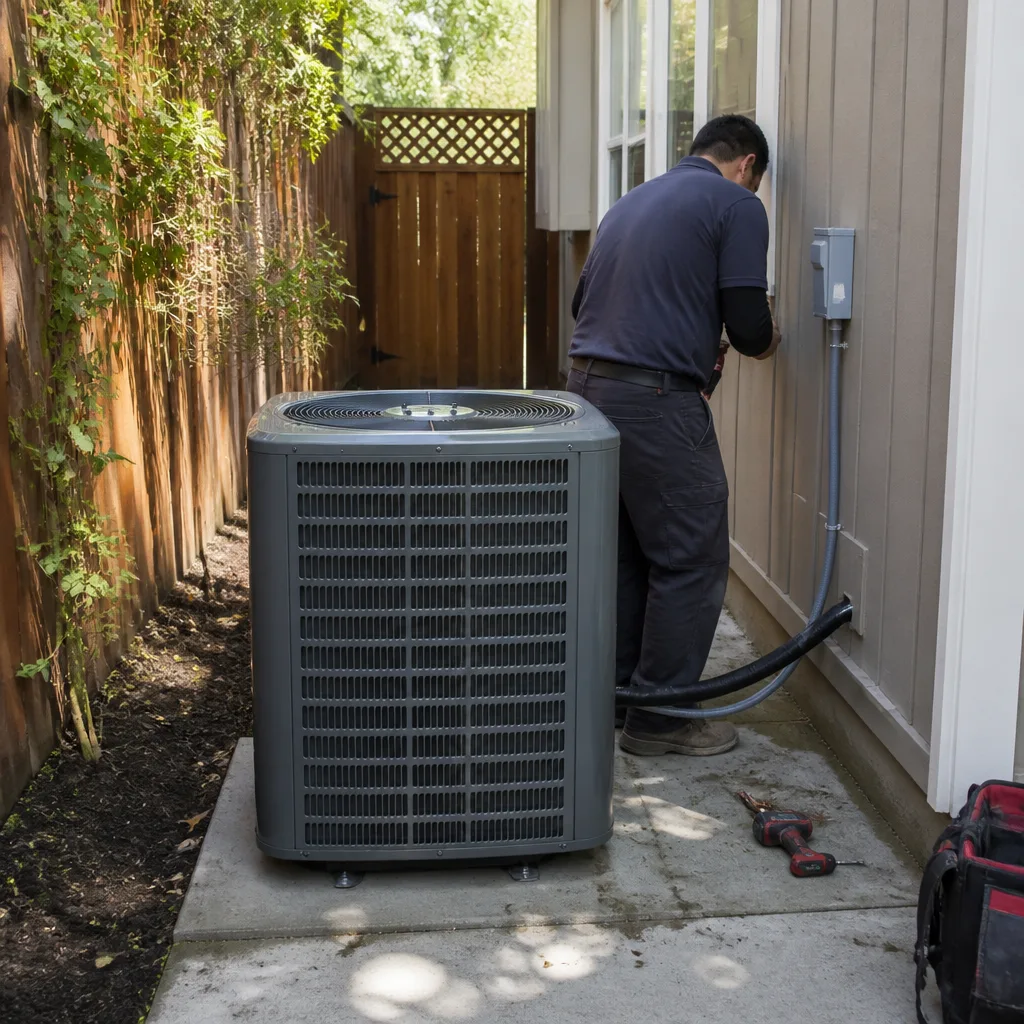 After
 Before
 After