
Last updated October 30, 2026
 Home additions & ADU
 Kitchen remodeling
 Bathroom remodeling
 Roofing
 Windows & doors
 Driveway & pavers
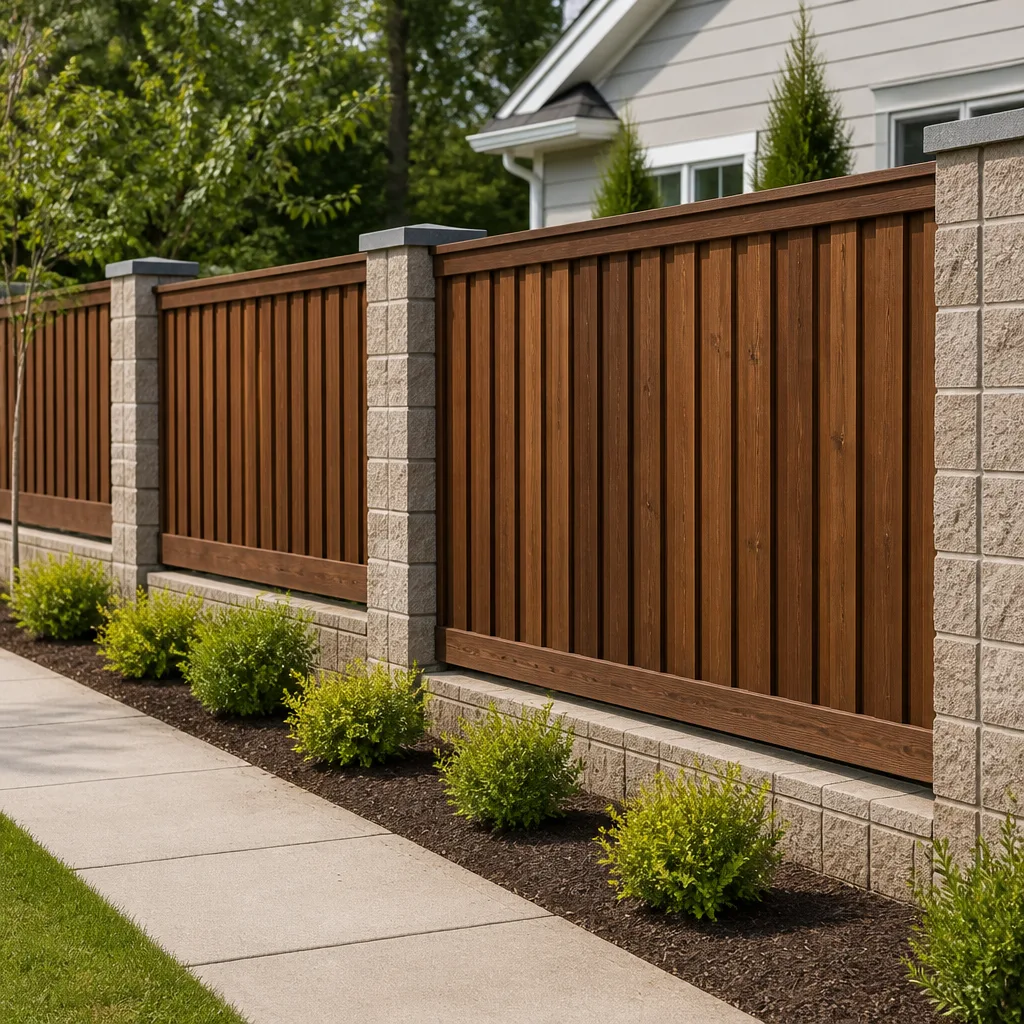 Fence
Free written scope consultation - allowances, timeline, and change-order rules on paper before a single trade is scheduled
General Contractor Maintenance Checklist for Saratoga Homeowners
Between October and February, Saratoga absorbs the heaviest localized rainfall in the Bay Area, and it lands directly on homes that were built when Eisenhower was in office. The result is predictable: clay tile roofs with failing mortar beds, stucco walls quietly delaminating behind the paint, and fascia boards turning to sponge. This guide is built around what actually fails first on Saratoga homes, not a generic list of “change your air filters” advice. You’ll learn what to inspect, when to book contractors before they’re booked solid, and which skipped maintenance tasks void the warranties on materials like James Hardie siding and GAF roofing.
Styles & brands we work with
Quick Answer
A practical Saratoga home maintenance checklist prioritizes roof and drainage inspection before the October rains, exterior envelope checks on stucco and siding, and trade-sequenced scheduling so roofers are booked by September and hardscape contractors by March. The most expensive failures we see involve water intrusion at roof penetrations and foundation drainage, not cosmetic wear. Address those two systems first, and most other maintenance becomes routine rather than remedial.
Table of Contents
- Clay Tile and Concrete Tile Roof Inspection: What Actually Fails
- Evaluating Stucco on Pre-1990 Saratoga Homes
- Drainage and French Drain Protocol for Slope-Adjacent Lots
- Trade-Sequenced Annual Calendar: What to Book and When
- Maintenance Tasks That Void Material Warranties
- Windows, Doors, and Exterior Envelope Checks
- Decking and Hardscape Maintenance for Saratoga’s Wet-Dry Cycle
- Interior Systems That Signal Exterior Problems
- Common Mistakes to Avoid
- When to Call a Professional
- Frequently Asked Questions
- The Bottom Line
Clay Tile and Concrete Tile Roof Inspection: What Actually Fails
Most Saratoga ranch and Mediterranean-style homes carry clay tile or concrete tile roofs, and most of those roofs are now 30 to 45 years old. The tiles themselves rarely fail first. What fails is the mortar bed at the ridges and hips, where water finds a path through hairline cracks and then works its way under the tile field. In our experience on hillside homes off Pierce Road and around the Quito Road corridor, a ridge mortar failure left untouched through one rainy season turns into sheathing rot that costs ten times more to remediate than the original repointing job.
Here’s the inspection sequence we recommend for tile roofs in Saratoga:
- Stand at the curb or across the street and sight along the ridge line. Look for any sag, missing ridge tiles, or visible daylight through the hips. You cannot see this from the ground directly below the eave.
- Walk the perimeter and scan the valleys where roof planes meet. Debris accumulates here, and wet debris against tile edges accelerates freeze-thaw spalling on concrete tiles.
- Check the rake edges and eaves for cracked or slipped tiles. A single slipped tile exposes the underlayment, which was never designed to be a permanent weather surface.
- Inspect all roof penetrations: plumbing vents, furnace flues, skylights. The flashing here fails before anything else. Look for rust, lifted edges, or old tar that’s pulling away from the pipe.
- If you have a two-story section that overlaps a single-story section, check the transition flashing. This is the number one leak point on Saratoga additions built in the 1980s and 1990s.
Roofing material access matters when repairs become replacement. A qualified general contractor in Saratoga can walk the roof with you and identify whether you’re looking at a repointing job or a full system replacement. If replacement is the call, material selection shifts the budget significantly. We specify GAF, CertainTeed, and Owens Corning systems regularly, and for tile-compatible underlayments we lean on brands with proven long-term performance in Northern California’s wet-dry cycle.
One more thing specific to Saratoga: coastal fog from the Santa Cruz Mountains keeps north-facing roof planes damp longer than south-facing planes. Moss and lichen on north slopes are not cosmetic. They hold moisture against the tile surface and accelerate mortar erosion. Treat this as a maintenance item, not an aesthetic preference.
Evaluating Stucco on Pre-1990 Saratoga Homes
Stucco is the dominant exterior wall finish on Saratoga homes built between 1950 and 1990, and it hides problems better than any other cladding. The failure sequence is consistent: hairline cracks allow water in, the water settles at the weep screed or the bottom plate, and the stucco begins to delaminate from the lath. By the time you see staining or bulging, the wall cavity has been wet for months.
Here’s how to evaluate stucco the way a contractor does:
- Probe, don’t just look. Use a wooden dowel or the handle of a screwdriver to tap the stucco surface. Solid stucco produces a sharp, high-pitched tap. Delaminated stucco sounds hollow and dull. Go around every wall, but focus on areas below windows, around hose bibs, and anywhere water splashes against the wall.
- Check the weep screed at the base of the wall. This is the metal flashing at the bottom edge of the stucco. It should be visible and unpainted. If stucco covers the weep screed, water that accumulates in the wall cavity cannot escape, and the bottom plate rots from the inside out.
- Examine window and door perimeters. The joint between stucco and trim is sealed with caulk or elastomeric sealant. When that sealant fails, water runs directly into the rough opening. Look for cracked, shrunken, or missing sealant around every opening.
- Look for vertical cracks at building corners. Differential settlement is common on Saratoga hillside lots, and corner cracks wider than 1/8 inch often indicate structural movement, not just stucco stress.
When is a stucco crack cosmetic versus water-intrusion critical? A hairline crack under 1/16 inch wide that doesn’t grow is usually cosmetic. Any crack you can fit a dime into, or any crack that seeps water during a rain event, is a water intrusion pathway. Repair the cosmetic ones with a high-quality elastomeric caulk matched to the wall color. The bigger ones need professional evaluation, because the damage behind the stucco is almost always larger than the crack on the surface.
For homeowners staring down a full exterior renovation, we often recommend replacing failed stucco with James Hardie fiber cement siding. It tolerates Saratoga’s moisture cycle well, holds paint longer than wood or stucco, and gives us a clean inspection surface going forward. A home renovation in Saratoga that addresses failed stucco properly is a different job than a patch-and-paint coverup.
Drainage and French Drain Protocol for Slope-Adjacent Lots
Saratoga sits at the base of the Santa Cruz Mountains, and a significant portion of its housing stock is built on or adjacent to slopes. When soil saturates after consecutive storm days, hydrostatic pressure builds against foundation walls and retaining structures. The symptom is usually water in the crawlspace or a basement, but the cause is almost always surface water that was never redirected away from the foundation.
Here’s the drainage inspection protocol we follow on every Saratoga hillside property:
- Walk the property during or immediately after a heavy rain. You want to see where water is moving. Look for sheet flow running toward the house, water ponding against the foundation, or downspouts discharging against the slope above the home.
- Verify every downspout connects to a drainage system or extends at least 5 feet from the foundation. Splash blocks are not sufficient on slope lots. The water needs positive conveyance away from the structure.
- Inspect any existing French drains. Look at the outlet end. If water doesn’t flow during a rain event, the line is clogged, crushed, or installed without adequate slope. French drains fail silently.
- Check retaining walls for bulging, cracking, or weep hole blockage. A retaining wall that isn’t draining builds up pressure behind it. Weep holes should be open and weeping during wet periods.
- Look for soil erosion or exposed roots on the slope above the home. Loss of vegetation and topsoil means water is moving faster and carrying more sediment toward your foundation.
Foundation drainage failures are the most expensive maintenance oversights on Saratoga hillside homes. A proper French drain system, installed with the right aggregate and filter fabric, costs thousands. Rebuilding a foundation wall that’s been pushed by hydrostatic pressure costs tens of thousands. The math favors maintenance.
Hardscape elements also play a role in drainage performance. Permeable paver installations using products from Techo-Bloc or Tremron can reduce sheet flow across a slope lot while maintaining a clean finished surface. For homes where the driveway or patio currently sheds water toward the structure, an integrated drainage and hardscape plan is worth discussing during any home remodeling in Saratoga project.
Trade-Sequenced Annual Calendar: What to Book and When
A generic “spring maintenance” list doesn’t survive contact with Saratoga’s contractor availability. The trades here book out on a seasonal cycle, and missing the window means either paying premium rates or waiting another year. Here’s the calendar we recommend based on when work actually gets scheduled in this market:
September: Book roofers. Roofing crews in Saratoga and the surrounding South Bay are fully booked from October through February by mid-September. If your tile roof needs repointing, flashing replacement, or underlayment work, get on the schedule before the first atmospheric river. Every roofer we work with prioritizes existing client relationships when the rain sets in and emergency calls start stacking up.
October through November: Complete gutter, downspout, and surface drainage work. This is the window after leaf drop begins but before the ground saturates. Digging French drains in saturated clay soil is slower, messier, and often more expensive.
December through February: Indoor work. This is when Saratoga contractors shift to interior remodels. Kitchen and bath renovations run through the winter because the work is weather-independent. If you’re planning a kitchen or bathroom remodel, winter scheduling often gives you better crew availability than summer.
March: Book hardscape and concrete contractors. Spring is the hardscape season in Saratoga. Paver patios, retaining walls, driveways, and walkways all see demand spikes starting in March. Contractors using Techo-Bloc, Tremron, or Cambridge Pavers products book out quickly as the weather turns.
April through June: Exterior painting and stucco repair. The dry season is the only reliable window for exterior coatings work in Saratoga. Stucco patches, elastomeric coatings, and full repaints need consecutive dry days for proper curing.
July through August: Window and door replacement. This is the least disruptive time for envelope work in Saratoga’s mild summer climate. Manufacturers like PGT, CGI, and Therma-Tru often run fabrication lead times that stretch into weeks, so ordering in July for an August install is realistic.
Ongoing: Tree and vegetation management. Saratoga’s mature oak and redwood canopy means continuous maintenance. Overhanging branches damage roofs, fill gutters, and feed moss growth on north-facing tile. Schedule tree work before the fall rain, not after a limb comes through the roof.
Maintenance Tasks That Void Material Warranties
Manufacturer warranties on premium building materials are not unconditional. They’re conditional, and the conditions are written in the fine print. Skip the required maintenance, and the warranty dies quietly. Here are the specific intervals and tasks that keep major warranties alive on Saratoga homes:
- James Hardie siding: Hardie’s warranty requires the siding to be kept clean and the finish maintained. This means cleaning visible mold, mildew, or debris accumulation at least annually, and repainting according to the paint manufacturer’s schedule. In Saratoga’s damp winter climate, north-facing walls often need cleaning twice per year. Document the maintenance. Hardie’s warranty team asks for proof.
- GAF roofing systems: GAF’s enhanced warranties typically require the roof to be inspected at least once per year and after major storm events. Debris accumulation in valleys must be cleared. The warranty does not cover damage from foot traffic, so inspections need to be done by someone who knows how to walk a tile roof without cracking tiles. Miss the inspection, and the warranty reduces to basic material coverage.
- Trex decking: Trex requires periodic cleaning to prevent mold and mildew growth, especially in shaded installations. The recommended interval is semi-annually, and more frequently if the deck sits under tree canopy. Saratoga’s mature trees make this a practical requirement, not a suggestion. The warranty excludes damage from standing water, so drainage under the deck structure matters too.
- Kohler and Grohe plumbing fixtures: These manufacturers carry strong warranties on finish and function, but they exclude damage from hard water mineral buildup. Saratoga’s water is moderately hard, and faucet cartridges and valve internals need regular cleaning or replacement of sacrificial components. Keep records of cartridge replacements; warranty claims often require demonstrating proper maintenance.
The through-line is documentation. Photograph your maintenance work. Save receipts for cleaning products and service calls. When a warranty claim happens, the manufacturer’s first move is to look for a maintenance failure. Homeowners who can produce records get claims approved. Those who can’t get the runaround.
Windows, Doors, and Exterior Envelope Checks
Saratoga homes built before 1980 often still carry their original single-pane windows and solid wood doors. The failure mode we see most often isn’t failed glass or broken hardware. It’s perimeter seal failure where the window or door frame meets the stucco or siding. Water gets in through the gap, and the rot progresses invisibly inside the rough opening.
Inspect every window and door perimeter twice per year. Run a bead of high-quality exterior caulk at any gap wider than 1/16 inch. Check the weatherstripping on exterior doors. A door that daylight shows through at the threshold is also letting in moisture, not just air.
When replacement becomes the right call, material selection changes the long-term maintenance picture. We specify PGT and CGI impact-rated windows for homes on hillside lots that take direct wind exposure, and Therma-Tru doors hold up well against Saratoga’s wet season. The key is getting the flashing details right at installation. A premium window installed with poor flashing leaks just as reliably as a cheap one.
For homes undergoing a full exterior renovation in Saratoga, we treat the entire envelope as one system: roofing, siding, windows, doors, and flashing all have to work together. Patching one element while ignoring a failing element next to it just moves the leak from one location to another.
Decking and Hardscape Maintenance for Saratoga’s Wet-Dry Cycle
Saratoga’s climate cycles between wet winters and bone-dry summers, and that cycle works on decks and hardscape surfaces relentlessly. Wood decks expand and contract, fasteners loosen, and deck-to-house ledger connections gather moisture. Paver patios settle unevenly as the subgrade cycles between saturated and dry. Both systems need attention on a schedule, not just when something visibly fails.
For wood and composite decks:
- Check the ledger connection twice per year. This is the board that attaches the deck to the house. If it’s pulling away or the flashing above it has failed, water enters the wall cavity. This is the single most common structural failure on decks attached to Saratoga homes.
- Test the railings annually. Grab every railing section and push hard. Loose railings are a safety hazard and a building code violation.
- Clean composite decking like Trex on schedule. Shaded decks under Saratoga’s tree canopy grow mold quickly. A semi-annual cleaning with a composite-safe cleaner is the difference between a warranty-covered lifespan and premature surface degradation.
For paver patios and walkways:
- Inspect for low spots after the winter. Saturated soil heaves, and pavers settle when it dries. Low spots trap water, which accelerates further settlement. Re-level small areas early.
- Re-sand paver joints every two to three years. Joint sand washes out over time, especially on sloped surfaces. Joints without sand allow pavers to shift and crack. Products from Techo-Bloc, Tremron, and Cambridge Pavers all hold up well in Saratoga conditions when the installation and joint maintenance are done correctly.
- Check retaining walls for lean after heavy rain seasons. A wall that moved 1 inch in a wet winter will move more next year. Address drainage behind the wall before the movement becomes structural.
Interior Systems That Signal Exterior Problems
Some of the most useful maintenance signals come from inside the house. Stains on ceilings, musty odors in specific rooms, and doors that suddenly stick are all exterior envelope problems showing up on interior surfaces.
- Ceiling stains below bathrooms mean flashing failure at roof vents. Water travels from the roof penetration along the underside of the sheathing before it drips through. The stain location doesn’t tell you where the leak is, but it tells you there is one.
- Musty smells in closets on exterior walls indicate wall cavity moisture. The water is entering through a failed exterior seal. Finding and fixing the entry point is a smaller job than mold remediation later.
- Doors that stick seasonally indicate foundation movement or swelling from moisture. If the door sticks only during wet months, look for drainage problems near that wall.
- Cracking drywall at corners of windows and doors signals structural movement. On Saratoga hillside lots, this often connects to slope creep or drainage issues, not cosmetic settling.
When interior signals point to exterior problems, the repair sequence matters. Fix the exterior entry point first, then address the interior damage. Reversing the order means paying for the same repair twice. This is where the coordination value of a single general contractor becomes concrete: one team diagnoses the source, repairs the envelope, and restores the interior in the correct sequence under one contract.
Common Mistakes to Avoid
- Waiting to book a roofer until after the first rain. By the time the first atmospheric river hits Saratoga, every reputable roofer is already booked through February. The best time to call was September. The second best time is today.
- Caulking over rotten wood. Caulk seals gaps. It does not restore structural integrity. If the wood behind the gap is soft when probed, the repair is replacement, not sealant.
- Ignoring north-facing roof planes. Saratoga’s fog keeps north slopes damp, and moss grows there first. Skipping north-plane maintenance while cleaning the south side means half the roof is being maintained and half is degrading.
- Diverting downspouts without checking the new discharge path. Redirecting water away from one foundation wall into your uphill neighbor’s foundation creates a liability and doesn’t solve the drainage problem. Run it to a proper drainage system or a safe discharge point.
- Painting over stucco cracks without addressing the cause. Paint covers the crack. It doesn’t stop the water that’s already entered the wall cavity. The crack will reappear, usually larger, within a year.
- Assuming old clay tile roofs last forever. The tile may be intact, but the underlayment beneath it has a 20 to 30 year lifespan. A tile roof with original underlayment is a leak waiting for a heavy rain year.
- Skipping documentation on warranty maintenance. Manufacturers do not take your word for it. Photographs, receipts, and service records are the only things that protect your warranty when a claim comes up.
When to Call a Professional
Some maintenance tasks are safe and sensible for a homeowner. Others require a trained eye and the right equipment. Call a professional when you see any of these: water stains on ceilings or walls that appear or grow during rain events, stucco that sounds hollow when tapped across large areas, a roof with multiple slipped or cracked tiles, a retaining wall showing any lean or bulge, or a deck ledger pulling away from the house. These are not caulkable problems. They’re structural or water-intrusion failures that get worse quickly. Viceroy Construction offers free estimates in Saratoga. Call (877) 358-6557 to schedule one, and we’ll walk the property with you and tell you what’s urgent and what can wait.
Frequently Asked Questions
Most general contractors in Saratoga do not charge for a maintenance walkthrough when it’s framed as an estimate visit. At Viceroy, the inspection is free, and you get a written list of findings prioritized by urgency. Call (877) 358-6557 to schedule a walkthrough. If you’re not ready for a contractor visit, a thorough DIY inspection using the protocols in this guide costs nothing but your time.
Foundation drainage failure is the most expensive maintenance oversight we see on Saratoga hillside properties. Water that saturates soil against a foundation wall creates hydrostatic pressure, and the resulting foundation repair can run tens of thousands of dollars. The preventive fix, which is proper surface drainage and functional French drains, costs a small fraction of that. Fix the drainage before the foundation moves.
Annually, and ideally in late summer before the rainy season. The inspection should cover ridge and hip mortar, valley debris, roof penetrations, and underlayment condition at accessible eaves. If your roof was installed more than 25 years ago, the inspection should be more thorough, because the underlayment is likely near the end of its service life even if the tiles look fine.
Generally, no. Standard homeowners policies cover sudden and accidental damage, not gradual damage from deferred maintenance. If a ridge mortar failure has been leaking for months and the damage is mold, dry rot, and sheathing rot, the claim will likely be denied. This is the single strongest argument for staying ahead of roof and envelope maintenance on a Saratoga home.
Small hairline cracks can be sealed by a homeowner with the right elastomeric product. Anything larger, anything that sounds hollow when probed, or anything involving the weep screed should be handled by a contractor who understands stucco systems. The risk of trapping moisture inside the wall cavity by doing an incomplete repair is real, and the resulting damage is hidden from view until it’s serious.
Winter is actually the best time for interior renovation work in Saratoga. Contractor availability is better than during the summer rush, and the work is weather-independent. Exterior renovation work should start in spring after the rains, which gives crews the longest dry window for roofing, siding, stucco, and painting. The ideal full-scope project is often phased: interior in winter, exterior starting in April.
The Bottom Line
Saratoga homes are beautiful, and they are also aging, and the microclimate at the base of the Santa Cruz Mountains accelerates the failure of roofs, stucco, and drainage systems. The maintenance checklist that matters is not the one that fills a weekend with chores. It’s the one that catches the failures that cost real money: ridge mortar on clay tile roofs, delaminating stucco on pre-1990 walls, and drainage systems on slope lots. Book roofers by September, hardscape by March, and interior work during the winter. Address the envelope before the interior shows damage. And keep documentation on every maintenance task, because manufacturers and insurance companies both ask for it when claims come up. For Saratoga homeowners who want one contractor accountable for the whole scope, from inspection through repair, call (877) 358-6557 and we’ll walk the property with you.
Written by the team at Viceroy Construction, serving Saratoga since 2017.
See the difference
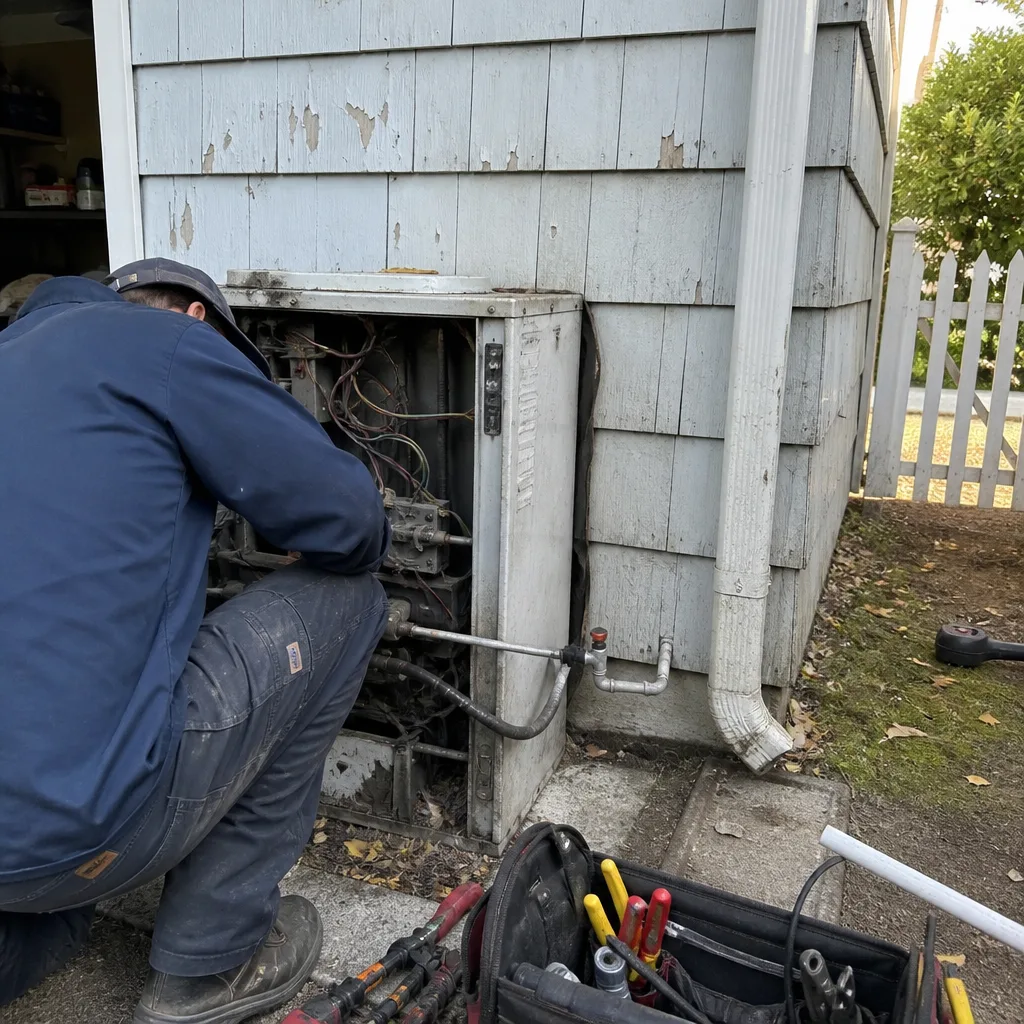 Before
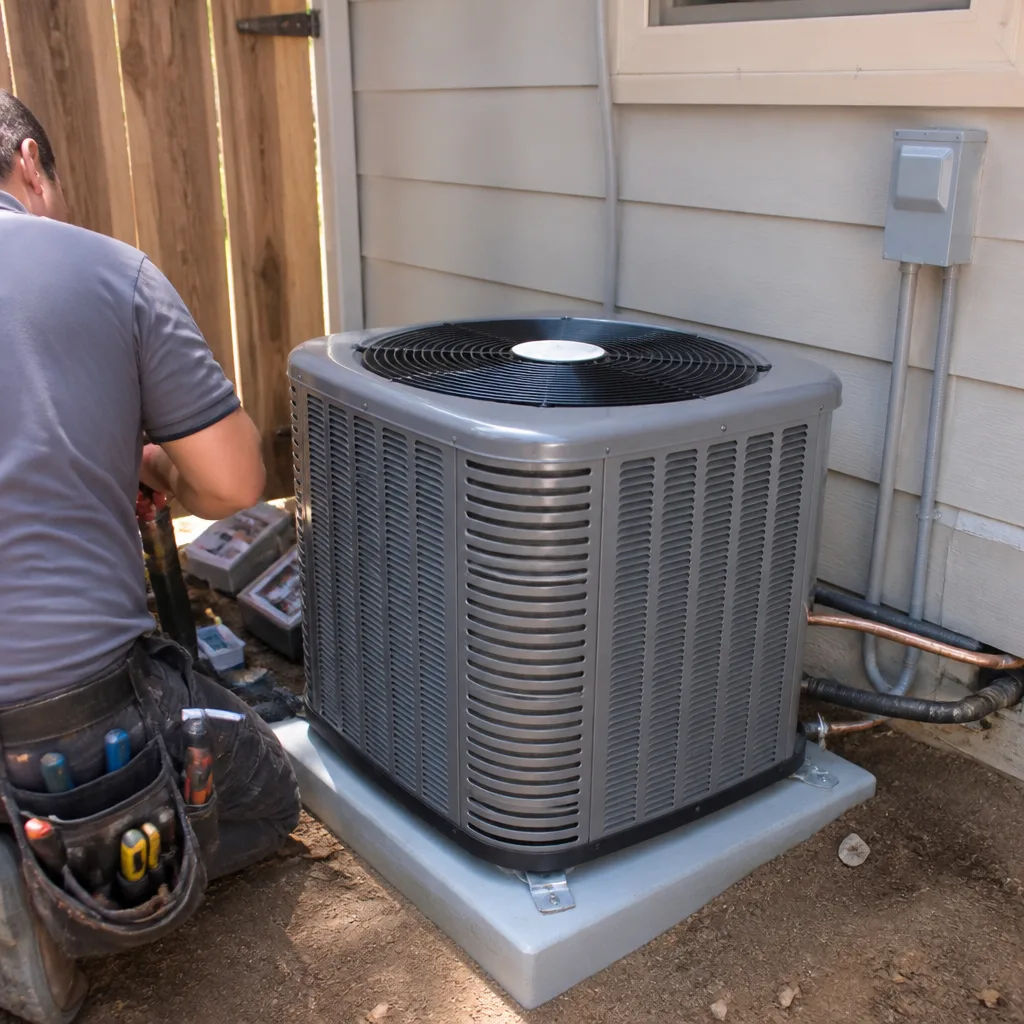 After
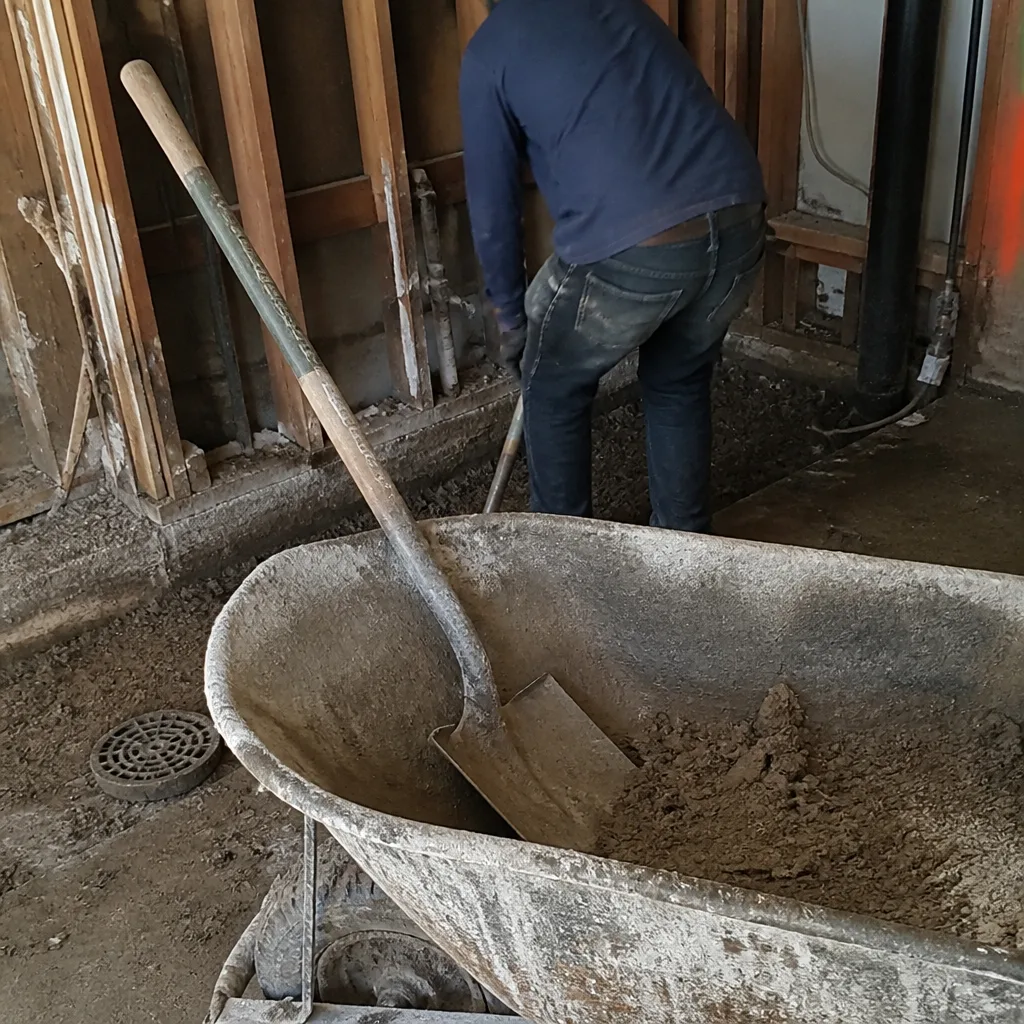 Before
 After
 Before
 After